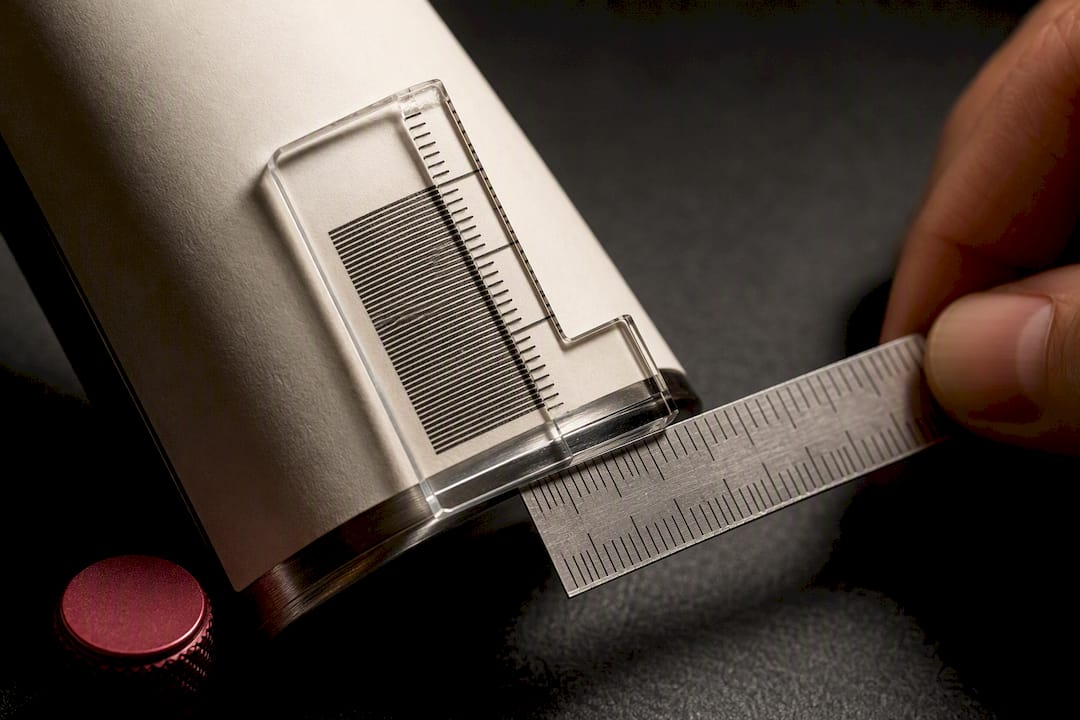
要在美国销售化妆品,标签至少必须包含产品身份声明、净含量、责任方名称和营业地址、零售产品的成分声明、适用情况下所需的警示信息,以及符合字体尺寸和英文语言要求的文字。FDA 不会对这些内容进行上市前批准。品牌方,而不是印刷商或包装商,对确保标签准确且合规承担全部法律责任。
**简而言之:** 净含量 declarations must appear in the bottom 30% of the principal display panel, using U.S. customary units, with metric units supplementary but not exclusive. Ingredients should be listed in order of predominance by weight, using current INCI names, with text at least 1/16 inch high, unless the container is under 12 square inches. Mandatory warnings must be prominently set apart, in bold, with a minimum height of 1/16 inch, and tested under real store lighting conditions for legibility. The responsible person, not the printer or packer, is legally accountable for label accuracy and compliance, with ongoing internal governance to track formula changes and claims. Finalized legal copy should be locked before design, with design templates incorporating minimum font sizes and contrast tests on actual substrates to prevent costly reprints.
Yuanpackaging
探索 Yuan Packaging
目录
- 化妆品标签要求:核心要素及其放置位置
- 成分声明规则:排序、命名及小包装例外
- 警告与注意事项:何时需要以及应如何呈现
- 字体尺寸、语言与可读性:可能导致标签误标的规则
- 化妆品与药品声明:改变产品监管属性的用语
- 谁对化妆品标签合规承担法律责任?
- 建立可直接生产的化妆品标签检查清单
- 法律文本与可印刷标签之间的差距
- Yuan Packaging 如何支持合规的化妆品标签生产
- 参考来源
- 常见问题
化妆品标签要求:核心要素及其放置位置
每个合规的化妆品标签都围绕两个区域构建:**主要展示面(PDP)**,即消费者在货架上首先看到的区域;以及**信息面板**,通常是容器正面展示时紧邻 PDP 右侧的面板。了解不同信息应该放在哪里,是掌握化妆品标签指南的第一项关键技能,也是许多首次创建品牌的经营者最容易出错的地方。
产品身份声明需要回答一个简单的问题:这是什么产品?它可以采用常见或通常使用的名称(例如“洗发水”“润唇膏”)、描述性名称、插图,或为产品创造的适当描述性术语。仅使用模糊的营销名称并不能满足这一要求。如果您的瓶子名为“Moonlight Ritual”,标签仍然需要使用通俗易懂的产品身份名称,例如“面部精华液”,以便消费者或 FDA 检查人员明确了解产品内容。
净含量 rules trip up more brands than any other PDP element. According to FDA’s summary of cosmetic labeling requirements, the declaration must state contents in terms of weight, measure, numerical count, or a combination, using avoirdupois pounds and ounces for solids and semisolids, and U.S. liquid gallons, quarts, pints, and fluid ounces for liquids. Metric units may appear alongside U.S. units, but they can’t replace them. Placement matters just as much as the units themselves: the net quantity declaration must sit in the bottom 30% of the PDP, in lines generally parallel to the base of the container, and it must be distinct from other label copy, not crowded next to a logo or claim.
The “name and place of business” requirement sounds administrative, but it carries legal weight. The label must identify the manufacturer, packer, or distributor, along with a street address, city, state, and ZIP code (the street address can be omitted if it’s listed in a current city or telephone directory). If the company on the label didn’t actually manufacture the product, the label needs a qualifying phrase, such as “Manufactured for” or “Distributed by,” ahead of the name. Skipping that qualifier when a third party made the product is a common, and entirely avoidable, misbranding trigger.
以下几个关于放置位置的区别,建议尽早确定:
- *外包装:** Carries all mandatory elements if it’s what the consumer sees at the point of purchase (a folding carton around a jar, for example).
- *直接接触产品的内包装:** Needs identity, net quantity, and ingredient information at minimum, even if it ships inside an outer carton.
- *多件零售包装:** The Fair Packaging and Labeling Act (FPLA) governs net-quantity disclosure whenever a cosmetic is sold at retail, regardless of how many layers of packaging surround it.
- *样品或试用装:** Still need identity and responsible-party information, even at reduced scale.
The relationship between outer and inner packaging is one designers underestimate. If your outer carton gets removed at checkout or thrown away by the retailer before shelf placement, the inner label must stand on its own and carry every legally required element. Plan the dieline with that worst-case scenario in mind, not the best-case one where the carton stays intact all the way to the consumer’s bathroom shelf.
成分声明规则:排序、命名及小包装例外
成分必须按照占比从高到低排列,也就是说,按重量计浓度最高的成分排在最前,依次排列至含量最低的成分。命名通常遵循 INCI(国际化妆品成分命名法)体系,为不同品牌和国家的监管机构及消费者提供统一的成分名称体系。
Type size for ingredient declarations is codified, not a matter of house style. Under 21 CFR 701.3, letters must be at least 1/16 inch high, measured by the lowercase “o” or its equivalent. There’s a meaningful exception: if the total surface area available to bear labeling is less than 12 square inches, the minimum drops to 1/32 inch. That exception is a lifeline for lip balm tubes, small compacts, and travel-size packaging, but it’s not a blank check to shrink text indefinitely. It only applies when the container genuinely can’t accommodate the standard minimum.
当包装空间完全不足时,FDA 允许采用以下替代信息披露方式:
- 固定在容器上的标签、胶带或卡片。
- 随附的小册子或说明书,但必须牢固附着在包装上。
- 当单个产品尺寸过小、无法采用上述方式,并且从散装展示架销售时,可在销售点使用较大的展示卡。
商业秘密成分有特殊规定。 A company can petition FDA to withhold a specific ingredient’s identity from the public label, and if the petition is granted, the label can use the phrase “and other ingredients” in place of the protected name. This isn’t a workaround for lazy labeling. It’s a formal regulatory process with its own paperwork, and it only protects genuinely proprietary formulations, not ingredients a competitor could reverse-engineer from a safety data sheet.
**专业提示:** _在配方审批流程中加入变更控制环节,使供应商原材料的任何调整,即使只是细微变化,也能自动触发对成分声明排序的审核。配方中单个成分百分比的变化就可能悄悄改变其排名,而事后重新印刷的成本远高于在印前阶段发现问题。_
展示包装的标签也应作为合规检查清单中的独立项目。如果产品以用于零售展示的台面展示盒运输,请确保其中的单个产品仍然带有完整的成分信息,而不仅仅是展示盒上有。零售商经常会处理掉展示包装,而失去外包装的产品仍然必须依法独立满足标签要求。
警告与注意事项:何时需要以及应如何呈现
警示并不是可有可无的装饰性文字;根据 21 CFR part 740. A warning statement becomes mandatory when a product’s safety hasn’t been adequately substantiated, or when the product category carries a known hazard that consumers need to be warned about before use. The regulation doesn’t leave conspicuousness to guesswork either: warnings must be prominent, set in bold type against a contrasting background, and never smaller than 1/16 inch in height, unless a specific exemption applies.
以下是“醒目性”要求在实际应用中的体现:
- *不仅要检查字体大小,还要检查对比度。** A 1/16 inch warning printed in pale gray on a cream background technically meets the height requirement but fails the “conspicuous” test in an FDA review. Bold black type on white, or white reversed out of a dark panel, reads cleanly under real store lighting.
- *在“通常的购买和使用条件”下进行测试。** That phrase means the warning has to be readable the way an actual consumer encounters the product, on a shelf, under fluorescent lighting, at arm’s length, not just under a loupe on a light table.
- *警示文字必须与产品类别准确匹配。** Part 740 spells out required wording for specific product types, and paraphrasing isn’t a safe substitute.
A few concrete examples make the pattern clear. Self-pressurized containers, most aerosol sprays and foams, require warning language addressing flammability and pressure hazards, including caution against puncturing or incinerating the container. Feminine deodorant sprays carry a warning about limiting use to external application and avoiding contact with broken or irritated skin. Suntanning preparations without effective sunscreen ingredients require a warning that the product does not protect against sunburn. Coal-tar hair dyes need warning language tied to allergy patch-testing before use, because the ingredient class carries a documented sensitization risk that FDA has addressed for decades.
通常更容易满足要求的版式包括:设置具有独立背景色块的专用警示区域;将警示文字与成分信息分开,而不是混在连续段落中;并在警示周围保留足够留白,使其不会与品牌图形争夺视觉注意力。即使字体高度技术上达到 1/16 英寸,将警示信息挤在条形码旁边的角落里,也经常无法通过醒目性审查。
字体尺寸、语言与可读性:可能导致标签误标的规则
可读性问题造成的误标发现,比几乎任何其他单一问题都更多,因为这类问题在设计阶段很容易被忽略,而在印刷完成后才发现则代价高昂。 The baseline rule is straightforward: required label text must be at least 1/16 inch in height, dropping to 1/32 inch only when the total labeling surface available is under 12 square inches. That’s not a suggestion for “when space is tight.” It’s a hard floor tied to a specific surface-area threshold, and it applies the same way whether you’re printing a five-figure production run or a 500-unit pilot batch.
信息位置要求与字体尺寸要求相互叠加。 净含量 has to sit in the lower 30% of the PDP. Ingredient declarations belong on the 信息面板, generally immediately clockwise from the PDP as the package is displayed. Scattering required elements wherever there happens to be open space on the artwork, rather than in their designated zones, is one of the fastest ways to fail a labeling review even when every individual word is correct.
语言要求同样严格。 Per FDA’s cosmetic labeling regulations, all legally required label information must appear in English. You can add a second language, and many brands sold in both the mainland U.S. and Puerto Rico do exactly that, but every required statement still has to appear in English somewhere on the label. The one narrow exception applies to products distributed exclusively in a U.S. territory where English isn’t the predominant language.
在计量单位和格式方面,公制单位可以作为美国惯用单位的补充,但不能单独使用。 A label listing net quantity only in milliliters, with no fluid ounce equivalent, doesn’t satisfy the FPLA regardless of how clearly it’s printed.
A few practical points for design teams working with specialty finishes:
- Never place required text over foil stamping, embossing, or heavy varnish coatings; these finishes reduce effective contrast even when the underlying type size is technically compliant.
- Reserve a flat, uncoated “legal zone” in the dieline specifically for ingredient and warning copy before finalizing decorative elements.
- Proof required text on the actual substrate and finish, not just on a digital mockup, since foil and gloss read very differently under store lighting than they do on a monitor.
**专业提示:** _When your design calls for a metallic or holographic background behind the brand name, route that finish around the legal copy entirely rather than trying to knock text out of it. A tiny loss of design continuity is a far better trade than a legibility failure that halts a shipment at customs._
化妆品与药品声明:改变产品监管属性的用语
化妆品与药品之间的界限并不取决于产品包含什么成分,而取决于标签声称产品能够做什么。 A moisturizer that claims to hydrate skin is a cosmetic. The same moisturizer claiming to “treat eczema” or “reduce inflammation” has just made a drug claim, and drug claims trigger an entirely different regulatory framework, active-ingredient labeling, drug facts panel requirements, and in many cases, FDA drug approval pathways that cosmetics never have to clear.
注意以下常见措辞,它们可能使产品跨入药品监管范围:
- Claims to **treat, cure, mitigate, or prevent a disease** (“clears acne,” “heals scars”).
- Claims of **structural or physiological change** beyond appearance (“stimulates collagen production at the cellular level,” “reduces cortisol”).
- *Anti-aging language framed as medical intervention** rather than cosmetic effect, particularly claims implying permanent physiological alteration.
- Sunscreen or SPF claims, which automatically classify a product as an OTC drug requiring active-ingredient labeling regardless of how the rest of the formula is marketed.
当一个产品实际上同时属于化妆品和非处方药(OTC)时——SPF 保湿霜就是典型例子——标签除了对其余成分进行标准化妆品成分声明外,还需要设置 Drug Facts(药品事实)面板,并按浓度列出有效成分。这相当于在一个包装上叠加两套标签体系,任何一侧的格式出错都可能引发监管执法。
The enforcement risk here is real and immediate. Products misclassified through overreaching claims face import alerts at the border, warning letters, and in persistent cases, seizure actions. Before finalizing any label copy, run it through a quick internal checklist: does this claim describe appearance, cleansing, or attractiveness (cosmetic), or does it describe treating, curing, or altering a body function (drug)? If you’re not certain, the safer draft is always the one that stays on the cosmetic side of that line. Partner content from brands navigating claim language like “hypoallergenic” and “organic” illustrates just how easily marketing enthusiasm turns into a regulatory liability.
谁对化妆品标签合规承担法律责任?
制造商、包装商或分销商,统称为“责任方(responsible person)”,对标签准确性及安全性证明承担全部法律责任。 Nobody at FDA reviews your label before it ships. There is no submission portal, no approval stamp, no green light from a regulator. The FDA’s cosmetics labeling guide is explicit on this point: compliance is entirely the brand’s obligation, and enforcement happens after the fact, often at the worst possible moment, a customs hold, a retailer audit, or a consumer complaint that triggers an FDA inspection.
It’s worth stating plainly for brands working with contract manufacturers or private-label printers: the printer that produces your label artwork is not your responsible person. Unless a converter or copacker is explicitly named and contracted as the manufacturer or distributor of record, legal liability for label accuracy sits with the brand whose name is on the product, full stop.
误标问题通常集中在以下几类反复出现的错误:
- 责任方地址信息缺失或不完整。
- 成分表未按占比顺序排列,或使用非标准名称。
- 字体尺寸低于 1/16 英寸(或小包装适用的 1/32 英寸)标准。
- 缺乏依据的声明,使化妆品进入药品监管范围。
- 虽然存在警示信息,但设计上未做到“突出且醒目”。
上述任何问题都可能导致不同程度的后果,从自愿召回和纠正性重新贴标,到边境进口扣留;在反复或严重情况下,还可能被禁止继续分销。
**数据提示:** Statutory updates like MoCRA now require responsible persons to maintain adverse-event reporting contact information directly tied to the label, and direct regulators to develop fragrance-allergen disclosure rules going forward. Brands that treat labeling as a one-time design task, rather than an ongoing compliance obligation, are the ones most likely to be caught flat-footed when these implementing regulations land.
降低这类风险,更多取决于内部管理机制,而不仅仅是法律专业知识。任何标签印刷前都应进行正式的法律文本签核,而不仅是设计审核。维护变更控制记录,使配方更新能够自动触发对成分排序和产品声明的审核。每次生产都应加入批次和批号编码以便追溯,并将印前质量检查作为独立于创意审批的检查节点,因为负责确认标签视觉效果的人,并不一定最适合发现标签在法律上缺少什么。
建立可直接生产的化妆品标签检查清单
正确处理法律文本只是工作的一半。 Turning that text into artwork that survives press proofing, finishing, and customs inspection is where compliance work actually lives or dies. After producing labels for beauty brands across markets with dramatically different shelf environments, a few production patterns show up again and again, and catching them in prepress is dramatically cheaper than catching them after a print run ships.
- *在最终确定品牌设计之前先确定法律文本。** Lock the statement of identity, net quantity, ingredient list, and any required warnings first, then build decorative elements around that fixed text block, not the other way around.
- *根据现行 INCI 名录确认成分命名。** Formula suppliers occasionally update naming conventions; verify the ingredient list matches current standard nomenclature before it goes to plate.
- *将最低字体规格直接设置到设计模板中,而不仅仅写在设计需求说明里。** Build the 1/16 inch (or 1/32 inch small-package) minimum directly into your design template so it can’t be accidentally shrunk during a later revision.
- *准备 1:1 实际尺寸打样,而不仅仅是数字模拟图。** A label that reads clearly at 300% zoom on a monitor can become illegible at true size on a 15-milliliter jar lid.
- *在实际承印材料上测试对比度和可读性。** Foil, matte laminate, and clear film all render type differently than a flat proof sheet; test under the lighting conditions a shelf actually uses.
- *正式大货生产前进行实体印刷试产。** Small-batch press proofs catch registration and contrast problems that digital proofs consistently miss.
Finishing choices carry their own compliance risk, and this is where design ambition most often collides with legal necessity. Placing required text over foil stamping, deep embossing, or heavy spot varnish routinely reduces effective contrast below what a reviewer, or a customer squinting at a shelf, can read comfortably. The practical fix is reserving a recessed or flat “legal zone” in the dieline from the start of the design process, rather than trying to retrofit legibility onto a finish that’s already locked in creative approval. That single planning decision, treating cosmetic packaging design and legal copy as one integrated process instead of two sequential ones, prevents the majority of late-stage relabeling scrambles.
对于真正的小规格包装,例如润唇膏、样品瓶和试用装滴管,应尽早规划合规的替代方案,而不是等到最终打样阶段才发现空间不足。 Firmly affixed tags, foldout leaflets, or an outer carton that carries the full ingredient declaration are all recognized solutions, but each one has to be built into the dieline and production timeline from day one. Bolting a leaflet onto a finished design at the last minute rarely produces a clean result.
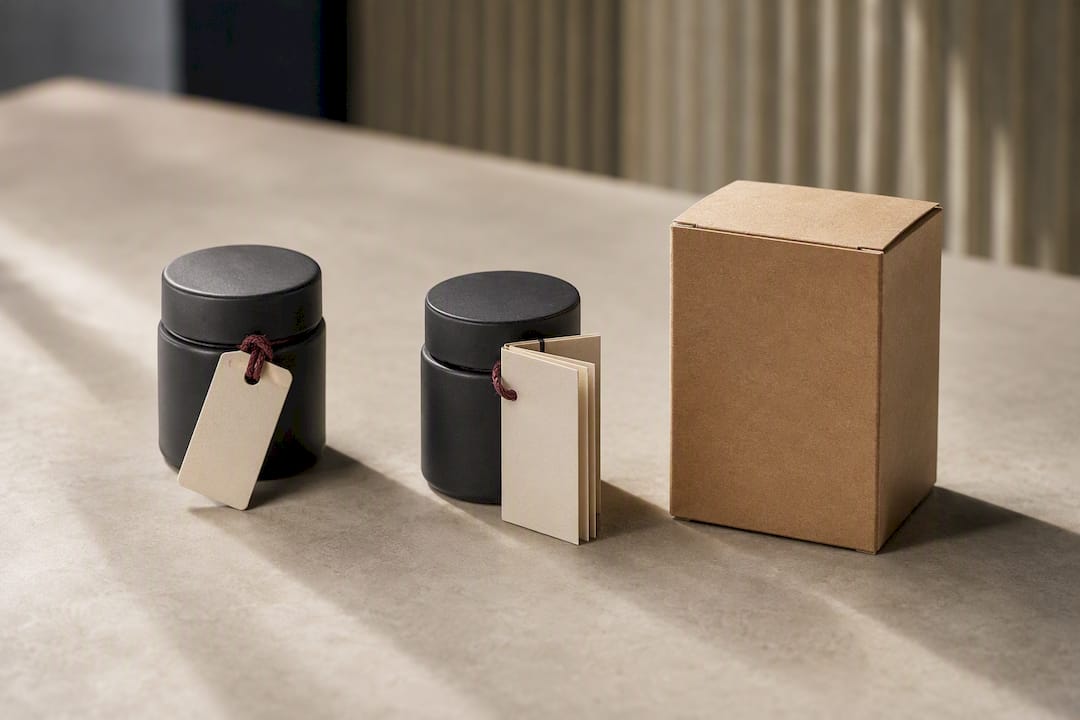
防拆封设计也是值得同步规划的一层,尤其适用于监管更严格的产品,例如某些接近 OTC 药品监管范围的配方。 Integrating tamper-evidence into the same prepress cycle as legal copy review avoids a second round of packaging changes down the line.
**专业提示:** _Assign four distinct sign-off roles before any label goes to press: a compliance officer who verifies regulatory text, a brand manager who verifies creative intent, a prepress engineer who verifies technical print specs, and a packaging vendor acceptance check that confirms the final proof matches the approved file exactly. Four sets of eyes catch different categories of error, and skipping any one of them is how avoidable mistakes make it to a finished run._
法律文本与可印刷标签之间的差距
我在实际生产中看到的最大标签错误,很少是因为不了解法规造成的。更多时候,是因为把合规当作完成创意设计后才补上的法律事项,而不是从第一天起就融入刀模线的设计约束。等品牌发现烫金区域上的警示文字无法达到 1/16 英寸时,模具往往已经制作完成,交期也已经非常紧张。
拥有丰富经验的制造商普遍发现,尽早将合规要求融入设计几乎不会增加多少成本,而在设计批准后再补救合规问题,则会真正消耗时间和资金。
_— Anthony_
Yuan Packaging 如何支持合规的化妆品标签生产
经验丰富的包装生产团队可以从第一次打样开始,就将合规法律信息区域、最低字体规格以及工艺兼容性融入设计稿,确保必要文字在烫金、压凸或上光后仍保持可读性,而无需进行第二轮生产。
Our cosmetic and beauty label printing service includes prepress QA specifically focused on ingredient-order verification, type-size compliance, and contrast testing on your actual substrate, not just a digital proof. For brands navigating specialty finishes alongside required warnings, our team also works through embossing and debossing tradeoffs that affect legibility long before a design reaches full production. If you’re finalizing a new formula or refreshing an existing line, request a compliance-aware sample run or a prepress review through our cosmetic packaging solutions page and see your legal copy proofed on the real material before it ever reaches a press.
参考来源
- Summary of Cosmetics Labeling Requirements | FDA
- § 701.3 Designation of ingredients. (21 CFR 701.3) | govinfo (CFR)
- 21 CFR Part 740 – Cosmetic Product Warning Statements | eCFR
- §364e. Labeling (MoCRA-related statutory text) | U.S. Code (prelim)
常见问题
What Are the Legal Requirements for Cosmetic Labels?
At minimum, a cosmetic label needs a statement of identity, net quantity of contents, the 责任方’s name and address, an ingredient declaration for retail products, and any warnings required for that product category. All of it must appear in English and meet minimum type-size rules, generally 1/16 inch, unless a small-package exception applies.
What Are the FDA Requirements for Cosmetics Beyond Labeling?
Beyond the label itself, FDA requires that cosmetic products not be adulterated or misbranded, meaning ingredients must be safe under labeled conditions of use and claims must stay within cosmetic (not drug) territory. FDA does not test or pre-clear cosmetic formulas or labels before they reach the market, per FDA’s own guidance.
What Are the Mandatory Labeling Requirements for Small or Sample-Size Products?
小包装仍需要标示产品身份、净含量及责任方信息;但当可用于标签的总表面积小于 12 平方英寸时,成分声明可以使用缩小的字体,最低可至 1/32 英寸。当确实没有足够空间时,FDA 允许使用其他方式,例如固定在容器上的标签/卡片、说明书,或销售点展示卡。
Do I Need FDA Approval to Sell Cosmetics in the U.S.?
不需要。FDA 不对化妆品产品或其标签实施上市前审批程序,发货前也不要求提交申请或取得批准。责任方需对确保标签准确、完整且不违反 FDA 化妆品标签法规承担全部法律责任。
How Do I Know if My Product’s Claims Cross Into Drug Territory?
如果标签声称产品能够治疗、治愈或预防某种疾病/状况,或声称能够产生超越外观层面的生理变化,那么产品很可能已经从化妆品进入药品监管范围,从而触发有效成分标签及可能的 FDA 药品审批要求。无论配方其他部分如何营销,只要涉及防晒霜或 SPF 声明,产品都会被自动归类为非处方药(OTC)。