Packaging & Labels for Cigarette & Tobacco Brands
High-volume labels, repeatable colour and complex finishing — a category judged on the thousandth unit, not the first.
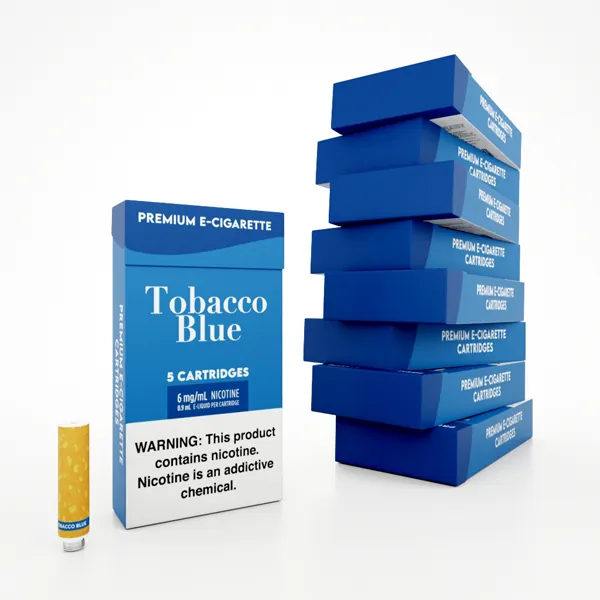
At a glance
- Minimum order quantity
- Labels from 1,000 units; this category is normally quoted at high volume where unit cost falls sharply
- Sampling
- Presentation-quality sample in 5–7 working days. The sample cost is credited against your first approved production order.
- Production lead time
- Typically 15–20 working days after artwork approval; confirmed on your quote
- Delivery to Europe
- DDP or DAP to the EU and the UK, DDP to Switzerland; your customs broker confirms duty and VAT rates
- Production
- Made to order (OEM/ODM)
- Country of origin
- Huai'an, Jiangsu, China
- High-Volume Runs
- Repeatable Colour
- Foil, Emboss & Holographic
- Anti-Counterfeiting
- Batch Coding
Overview
Tobacco is a volume category with luxury-category finishing expectations, and that combination is what makes it demanding. The finishing brief often reads like a spirits gift box — foil, multi-level emboss, holographic positioning — but it has to hold across runs far longer than any gift box, on a schedule that does not tolerate a rerun.
Colour repeatability is the whole discipline. On a long run, a shade that drifts between the start and the end of the job is a bigger problem than a shade that is slightly off from the beginning, because the drift is visible when two packs sit side by side. Our Rapida 106 holds 0.1 mm registration at 18,000 sheets per hour, and Pantone spot colours are run against a physical reference retained between orders.
Anti-counterfeiting is routine rather than optional in this category, and our label line has produced holographic positioning and security foil work for domestic brands for years. Positioned holography — registered to the artwork rather than repeating randomly across the web — is the baseline expectation here.
What we make for this sector
- Custom Labels — High-volume label programmes with foil, emboss and holographic positioning.
- Anti-Counterfeit Labels — Positioned holography, security foils and serialised codes.
- Folding Cartons — Printed cartons with the finishing this category expects.
- Rigid Gift Boxes — Premium and seasonal editions in rigid and sleeved formats.
What we produce for this sector
High-Volume Label Programmes
Long-run label work where colour has to repeat across the job and between orders, not just look right on the first sheets.
Foil & Holographic Finishing
Hot and cold foil, multi-level embossing and positioned holography applied in-line on the letterpress.
Anti-Counterfeit Features
Positioned holography, security foils and serialised codes — layered so consumers and distributors can each verify.
Printed Cartons & Outer Cases
Folding cartons and printed corrugated cases carrying batch, market and handling information.
Presentation & Gift Formats
Rigid boxes and sleeved formats for premium tiers and seasonal editions.
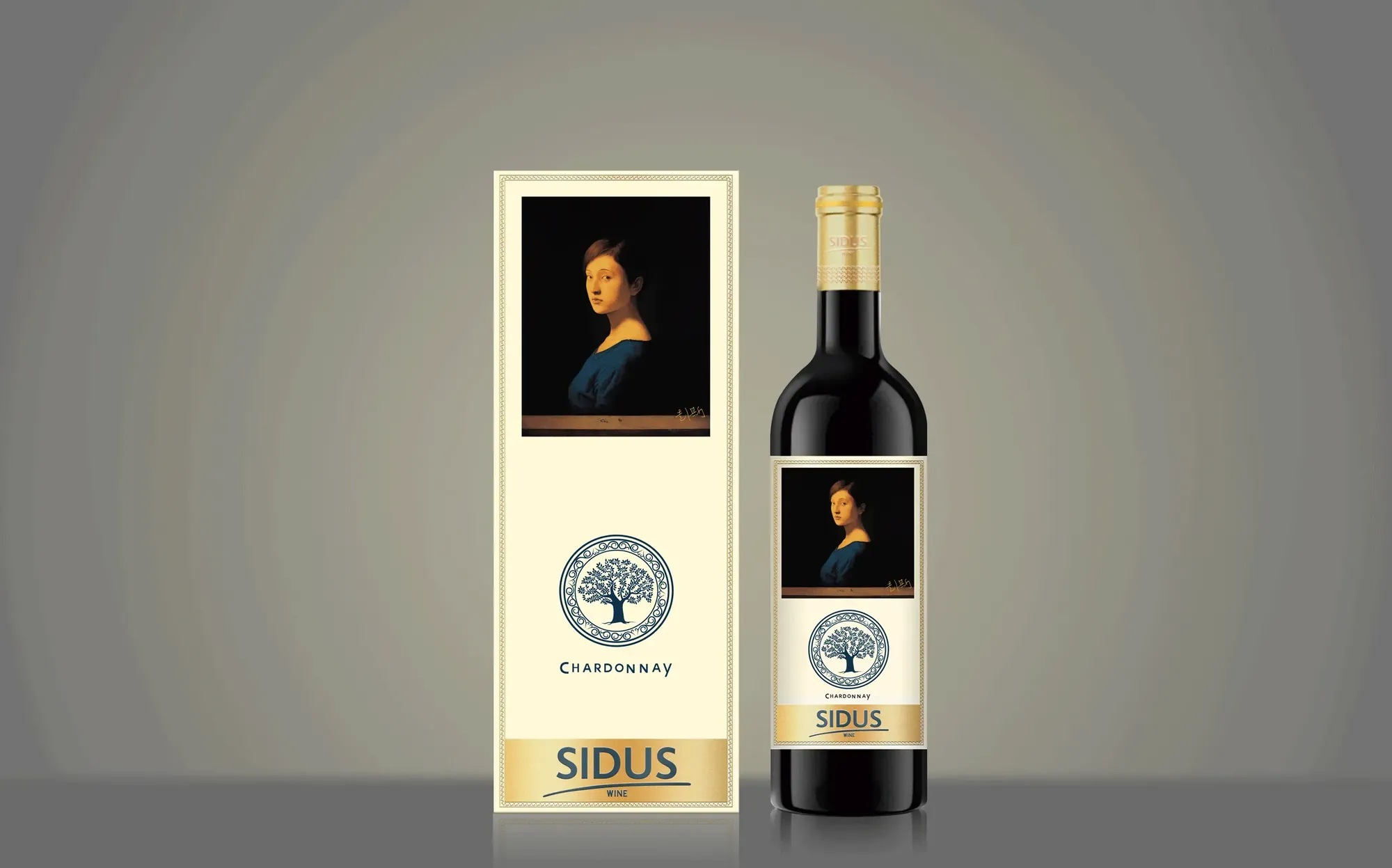
Selected work

What to get right in this sector
Colour stability over a long run
Spot colours against a retained physical reference, not a CMYK build re-mixed each time the job runs.
Finishing sequence
Emboss after foil is standard; reversing it damages the foil surface. On stacked effects the order is part of the specification.
Positioned vs random holography
Random-repeat holographic film is decorative and anyone can buy it. Positioned holography is a security feature because it must be set up deliberately.
Schedule reliability
High-volume programmes leave no room for a rerun, which makes sampling discipline and a retained reference more valuable than speed.
Specifications
| Typical minimums | Labels from 1,000 units; this category is normally quoted at high volume where unit cost falls sharply |
|---|---|
| Press capability | Manroland 6+1 intermittent letterpress printing, embossing and foiling in one pass; six-colour flexo for volume work |
Terms for this specification
- Sampling
- Presentation-quality sample in 5–7 working days. The sample cost is credited against your first approved production order.
- Colour matching
- Pantone references and physical samples are used where the selected print process supports them. The approval method follows the substrate, artwork and process.
- Certifications
- ISO 9001, ISO 14001:2015, ISO 45001 and China Environmental Labelling (Ten-Ring). ISO 22000 applies to eligible food-contact work.
What drives the cost
We do not publish a price list, because no two specifications are alike. The levers that decide a quote are consistent, though.
Quantity
Most of the cost of a print job is set-up — plates, dies, make-ready, the first good sheet. Doubling a run rarely doubles the price, which is why it is worth asking for two or three volumes on the same quote.
Structure
A rigid box is formed, wrapped and often assembled by hand; a folding carton is die-cut and glued in one pass. Structure is usually the single biggest difference between two otherwise identical packs.
Material
Board grade and wrap stock. Specialty and textured papers cost more per sheet, but can replace a finishing pass — sometimes the cheaper route to the same effect.
Finishing passes
Each of foil, emboss, spot UV and lamination is a separate pass through a machine. Two effects cost roughly twice one, so the question is always which effect earns its place.
Tooling
Dies, emboss plates and foil blocks are one-off costs carried by the first order and reused on every repeat. Repeat runs of an approved specification are materially cheaper than the first.
Design & artwork
From an artwork check, through a dimensioned dieline and print-ready files, to a full concept package across a range — done by the factory that will make it.
Applications
Cigarette Brands
Label and carton programmes where finishing complexity meets volume schedules.
Premium & Gift Tiers
Rigid and sleeved formats for premium editions, produced on the gift box line.
Export & Duty-Free
Market-specific versions where a sleeve or band carries the variation without retooling the pack.
Why Yuan Packaging
- A dedicated label line built for volume work, with digital capability alongside it
- Positioned holography and security foil applied in-house, not outsourced
- Rapida 106: 0.1 mm registration at 18,000 sheets per hour for repeatable colour across long runs
- Physical Pantone reference retained between orders so repeat runs match the original
Frequently asked questions
How do you keep colour consistent across a long run?
Pantone spot colours rather than CMYK builds wherever possible, printed against a physical reference that is retained between orders, on a press holding 0.1 mm registration. Drift within a run is the failure mode this category actually complains about, and it is prevented at set-up rather than corrected later.
Can you combine foil, emboss and holography on one label?
Yes — our Manroland 6+1 intermittent letterpress prints, embosses and foils in a single pass, and holographic positioning is applied in-line. Stacking effects is as much about sequence as capability: emboss after foil is standard, and reversing it damages the foil.
From the Journal
Request a custom packaging quote
What to send for a quote
- The product it is for, and the format you have in mind
- Size as length × width × height, and whether those are inside or outside dimensions
- Quantity, or two or three quantities if you want to compare unit prices
- Material and finish preferences, or the look you are after
- Artwork status: print-ready files, a draft, or nothing yet
- The date you need the goods by
- The destination country
Missing some of these? Send what you have, and we will ask about the rest.