Custom Folding Carton Manufacturer
Printed cartons produced on a fully integrated line — printing, laminating and gluing in one plant, at retail volumes.
At a glance
- Minimum order quantity
- Standard cartons from 1,000 units
- Sampling
- Presentation-quality sample in 5–7 working days. The sample cost is credited against your first approved production order.
- Production lead time
- 15–20 working days after artwork approval
- Delivery to Europe
- DDP or DAP to the EU and the UK, DDP to Switzerland; your customs broker confirms duty and VAT rates
- Production
- Made to order (OEM/ODM)
- Country of origin
- Huai'an, Jiangsu, China
- Rapida 106 Offset
- Automatic Gluing
- Foil & Spot UV
- Litho-Laminated
- Food & Pharma Work
- FSC / Recycled Board
Overview
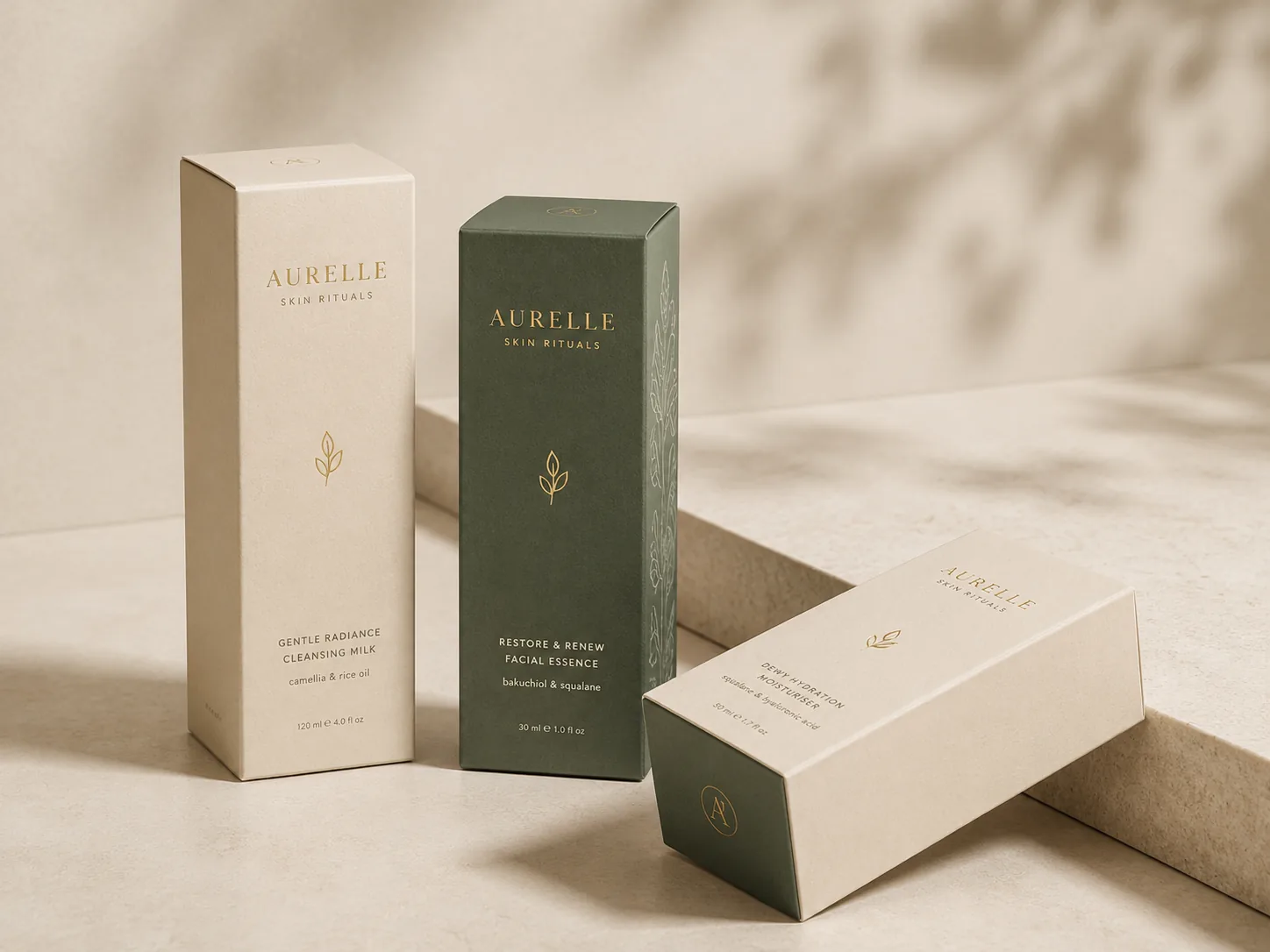
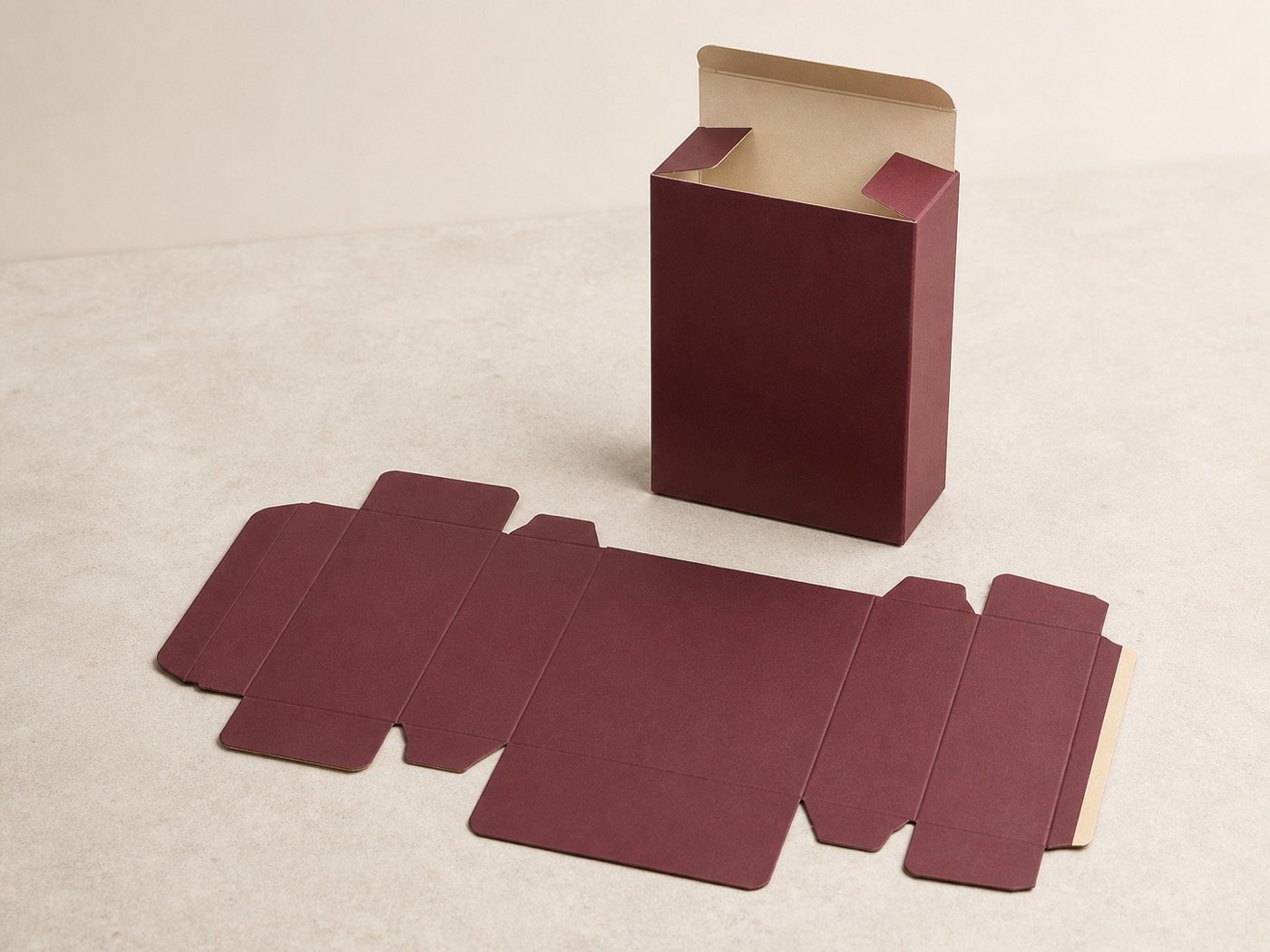
Folding cartons are the volume workhorse of retail packaging: printed flat, die-cut, creased, glued and shipped flat, then erected on your line or by hand. Because they ship flat they are far cheaper to move than rigid boxes, which is why almost every beauty, food and pharmaceutical product on a shelf sits in one.
Our carton line is fully integrated — printing, laminating and gluing on automated equipment in one plant, serving publicly listed companies alongside smaller brand programmes. Printing runs on the Koenig & Bauer Rapida 106 eight-colour press, which holds 0.1 mm registration at 18,000 sheets per hour: the reason a spot-UV pass or a foil block lands where the artwork says it should across a long run.
The line covers coated-board unit cartons, litho-laminated boxes where a printed sheet is mounted to corrugated for strength, and standard corrugated shippers. Pharmaceutical and food cartons are long-standing work here — our ISO 22000 food-safety certification extends the food-grade side of that capability.
Explore the range
- Tuck-End Cartons — A compact folding carton with tuck-in end flaps, developed around the product, the artwork and the way the pack will be filled.
- Crash-Lock Base Cartons — A folding carton whose pre-glued base opens into position with the body, reducing a separate bottom-closing step during packing.
- Window Cartons — A folding carton that lets the product take part in the front-panel design through a die-cut opening, optionally backed by a clear patch.
Carton Structures
Tuck-End Cartons
Straight and reverse tuck ends — the standard unit carton for cosmetics, pharmaceuticals and small retail goods.
Crash-Lock Base Cartons
A pre-glued base that locks as the carton is erected, cutting hand-assembly time on high-volume packing lines.
Window Cartons
Die-cut apertures, with or without a clear patch, where the product itself needs to sell from the shelf.
Litho-Laminated Boxes
An offset-printed sheet mounted to corrugated board — retail print quality with the strength of corrugated.
Corrugated Retail & Shipper Boxes
Standard and custom-graded corrugated for retail-ready packaging, e-commerce and outer shippers — covered in full on our corrugated boxes page.
Pharmaceutical Cartons
Regulated unit cartons where legibility, batch information and consistency across runs are the requirement.
Selected work
Board & material options
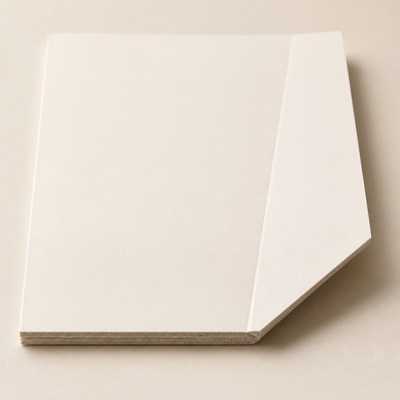
Ivory Board (FBB)
Bright folding boxboard with a smooth print face.
The standard carton stock in cosmetics and pharmaceutical work — clean creasing, reliable folding, white enough for small regulatory type.
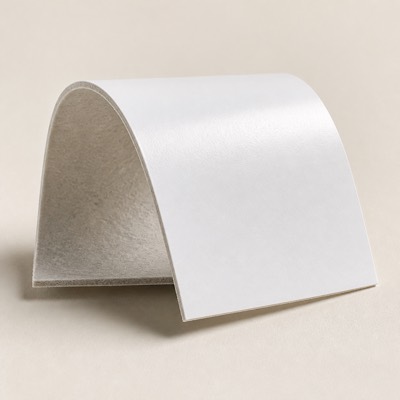
Coated One Side (C1S)
Coated on the printing face, uncoated on the reverse.
The default carton and wrap board. You are paying for coating only where the print goes, so it is the economical choice whenever the inside face is not seen.
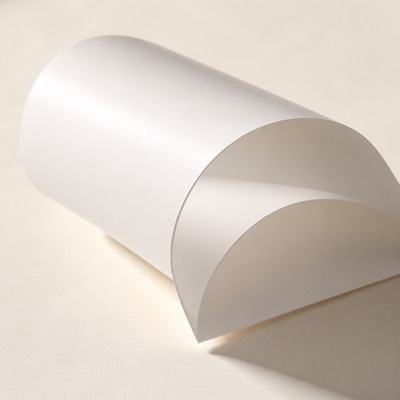
Coated Two Sides (C2S)
Coated on both faces for print inside and out.
Specify when the inside of the box is part of the design — an unboxing reveal, a printed inner lid, or a sleeve seen from both sides.
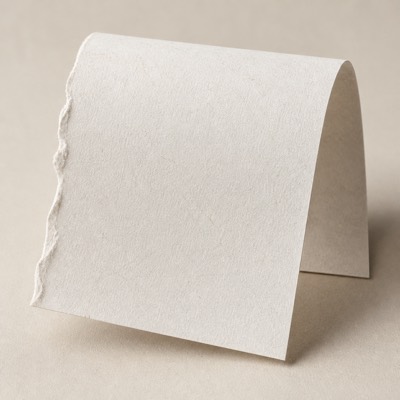
White Kraft
Strong uncoated white fibre with a natural surface.
Reads honest rather than glossy, and takes one or two spot colours well. Recycled and FSC-certified grades are available where a materials policy applies.
Finishing options
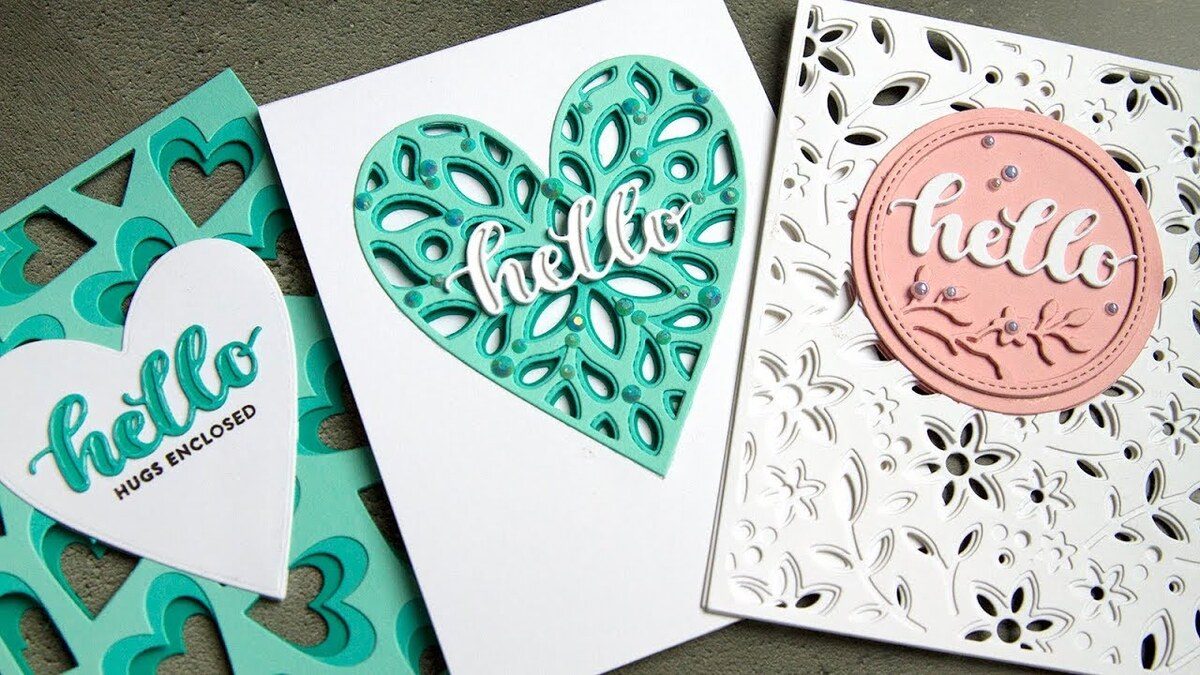
Die Cutting
Custom shapes, windows and cut-outs.
Windows, shaped lids, handle apertures and label outlines. A window can be left open or patched with clear film depending on whether the product needs protecting.
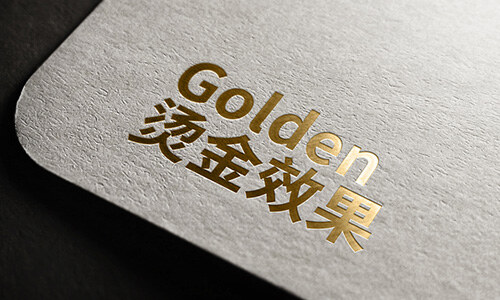
Hot Foil Stamping
Metallic foil applied by heated die, registered to the print.
Gold, silver, copper and coloured foils. Applied flat before any wrapping or forming, so registration is controlled on a sheet rather than on a curve.

Embossing
Raised relief pressed into the surface from behind.
Can be registered over foil for a sculpted metallic mark. Sequence matters: emboss after foil is standard, and reversing it damages the foil surface.
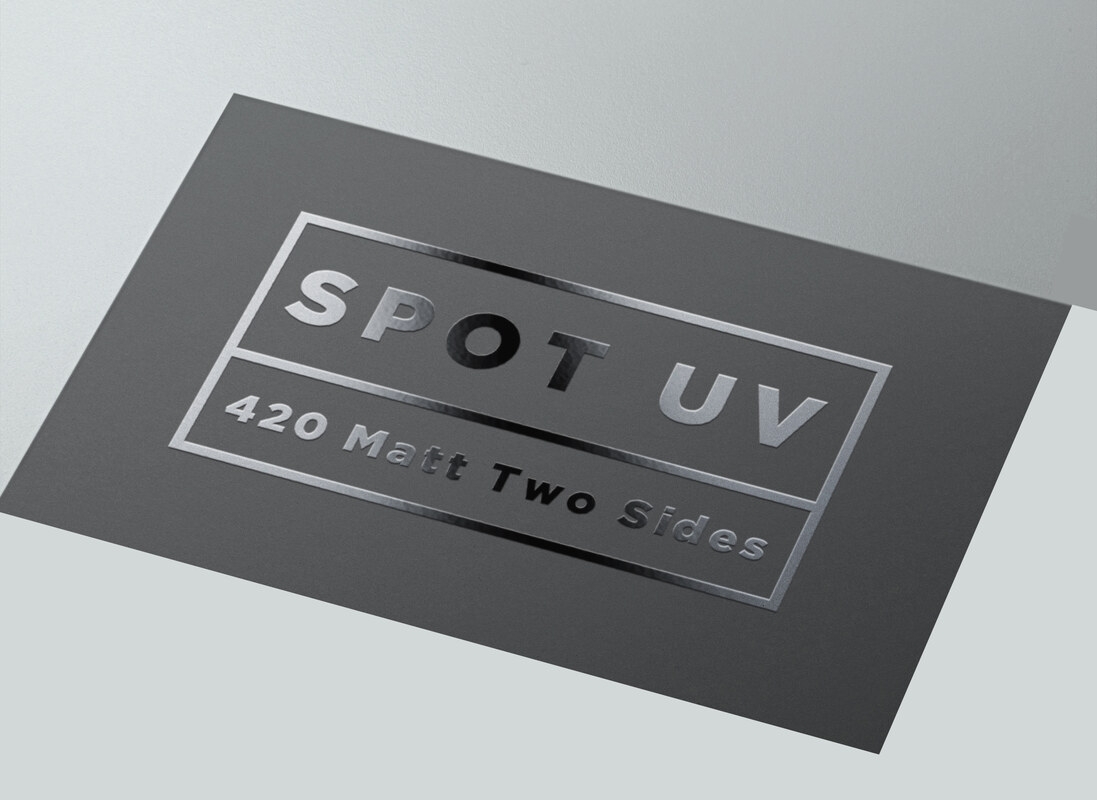
Spot UV
Gloss varnish applied to selected artwork elements.
Highest contrast over a matte or soft-touch base. On a gloss laminate it barely reads — the base finish decides whether spot UV is worth paying for.
Materials
Coated Board
The default carton stock — smooth printing surface, clean creasing and reliable folding on automatic gluing lines.
Kraft & Uncoated Board
Natural-surface board for brands positioning on material honesty, usually with one- or two-colour print.
FSC-Certified & Recycled Board
Certified or recycled-content stock with water-based inks and adhesives, for programmes with a materials policy.
Corrugated Board
Single and double-wall corrugated for retail-ready and shipping applications, printed directly or litho-laminated.
Specialty Papers
Textured and metallised stocks for prestige unit cartons where the surface carries part of the positioning.
Printing & Finishes
Offset Printing
CMYK plus Pantone spot colours on the Rapida 106 — 0.1 mm registration at 18,000 sheets per hour.
Matte, Gloss & Soft-Touch Lamination
Surface protection and hand-feel, and the base most other finishing effects are built on.
Hot Foil Stamping
Metallic detail registered to the print, most effective as a small element rather than a large area.
Embossing & Debossing
Relief on brand marks and panel detail, often combined with foil on prestige cartons.
Spot UV
Gloss varnish on selected artwork elements, strongest against a matte laminated ground.
Die Cutting, Creasing & Gluing
Automated die cutting, creasing and gluing so cartons arrive flat and erect square on your line.
What you can customise
- Structure and dieline developed for your product and packing method
- Board type, grade and thickness
- Print — CMYK plus Pantone spot colours
- Lamination, foil, emboss and spot UV combination
- Window apertures and clear patching
- Crash-lock or straight-glued base for line packing
- FSC-certified or recycled board with water-based inks
- Export carton count, labelling and pallet configuration
Specifications
| Minimum order quantity | Standard cartons from 1,000 units |
|---|---|
| Production lead time | 15–20 working days after artwork approval |
| Printing | Koenig & Bauer Rapida 106 eight-colour offset — 0.1 mm register at 18,000 sheets per hour |
| Converting | Fully automated line integrating printing, laminating and gluing |
| Food-contact capability | ISO 22000 food-safety certified for food and beverage packaging work |
Terms for this specification
- Sampling
- Presentation-quality sample in 5–7 working days. The sample cost is credited against your first approved production order.
- Colour matching
- Pantone references and physical samples are used where the selected print process supports them. The approval method follows the substrate, artwork and process.
- Certifications
- ISO 9001, ISO 14001:2015, ISO 45001 and China Environmental Labelling (Ten-Ring). ISO 22000 applies to eligible food-contact work.
- Sustainable options
- FSC-certified or recycled-content paper and board, water-based inks and adhesives, and fibre-based fitments are available where the selected construction supports them.
What drives the cost
Set-up dominates here. A carton is cheap in material and expensive to start, so the unit price falls steeply with quantity — this is the product where asking for pricing at two or three volumes changes the decision most often.
Quantity
Most of the cost of a print job is set-up — plates, dies, make-ready, the first good sheet. Doubling a run rarely doubles the price, which is why it is worth asking for two or three volumes on the same quote.
Structure
A rigid box is formed, wrapped and often assembled by hand; a folding carton is die-cut and glued in one pass. Structure is usually the single biggest difference between two otherwise identical packs.
Material
Board grade and wrap stock. Specialty and textured papers cost more per sheet, but can replace a finishing pass — sometimes the cheaper route to the same effect.
Finishing passes
Each of foil, emboss, spot UV and lamination is a separate pass through a machine. Two effects cost roughly twice one, so the question is always which effect earns its place.
Tooling
Dies, emboss plates and foil blocks are one-off costs carried by the first order and reused on every repeat. Repeat runs of an approved specification are materially cheaper than the first.
Design & artwork
From an artwork check, through a dimensioned dieline and print-ready files, to a full concept package across a range — done by the factory that will make it.
Applications
Beauty & Skincare
Unit cartons for serums, creams and colour cosmetics, usually specified with the label as one component set.
Pharmaceutical
Regulated cartons where consistency, legibility and batch information matter more than decoration.
Food & Confectionery
Food-contact packaging supported by our ISO 22000 certification, including festival and seasonal programmes.
Retail & E-Commerce
Retail-ready cartons, litho-laminated boxes and corrugated shippers for products that ship as well as sit on a shelf.
How it is made
Structure & dieline
Carton style, board grade and base construction chosen for the product weight and how it will be packed.
Artwork on dieline
Artwork is laid on our dieline so panels, creases and glue flaps land correctly after folding.
Sampling
A cut and creased sample in 5–7 working days — folded, glued and checked with the actual product inside.
Offset printing
Printing on the Rapida 106 with Pantone colours matched to your physical reference.
Lamination & finishing
Lamination, foil, emboss and spot UV applied in the sequence that protects each effect.
Die cutting, creasing & gluing
Automated die cutting and gluing, with window patching where the structure calls for it.
Inspection & export packing
Fold, glue and print inspection against the approved sample, then flat packing, labelling and shipping documents.
Why Yuan Packaging
- Fully integrated carton line — printing, laminating and gluing under one roof, serving publicly listed companies
- Koenig & Bauer Rapida 106 eight-colour press: 0.1 mm registration at 18,000 sheets per hour
- ISO 22000 food-safety certification for food and beverage carton work
- Cartons, labels, bags and rigid boxes produced on one site under a single colour standard
Frequently asked questions
What is the minimum order quantity for folding cartons?
Standard cartons begin at 1,000 units. Cartons are set-up intensive rather than material intensive, so the unit price falls sharply as quantity rises — it is worth asking for pricing at two or three volumes before deciding.
Rigid box or folding carton — which should we use?
Folding cartons ship flat, cost less per unit and suit volume retail. Rigid boxes arrive formed, protect better and feel more substantial, at a higher unit and freight cost. Our journal guide compares the two structure by structure.
Can you produce food-contact cartons?
Yes. We hold ISO 22000 food-safety certification, which extends our food-grade packaging capability for international food and beverage brands. Tell us the product and market so the right board and inks are specified.
Do you supply the dieline, or do we?
We supply it. Send the product dimensions, the weight and how the carton will be packed and we will issue a dieline for your designer to lay artwork onto — that avoids the most common cause of reprints, which is artwork built to a guessed structure.
Can you laminate printed sheets to corrugated?
Yes — litho-lamination gives you offset print quality on the surface with the strength of corrugated underneath. It is the usual answer for retail-ready packaging and heavier e-commerce boxes that still need to look like retail.
Can you match the carton to our label and gift box?
Yes. Cartons, labels, carrier bags and rigid boxes are produced on this site, so one Pantone reference and one approved sample set governs the whole pack rather than three suppliers each interpreting the colour separately.
From the Journal
Related products
Request a custom packaging quote
What to send for a quote
- The product it is for, and the format you have in mind
- Size as length × width × height, and whether those are inside or outside dimensions
- Quantity, or two or three quantities if you want to compare unit prices
- Material and finish preferences, or the look you are after
- Artwork status: print-ready files, a draft, or nothing yet
- The date you need the goods by
- The destination country
Missing some of these? Send what you have, and we will ask about the rest.