Packaging Finishes & Print Effects
Finishing is where a printed sheet becomes a premium object — and where budgets are most often spent in the wrong order. These are the effects we apply in-house, and the conditions under which each one actually earns its cost.
Foil
Metallic and pigmented foils applied by heated die, registered to the print.
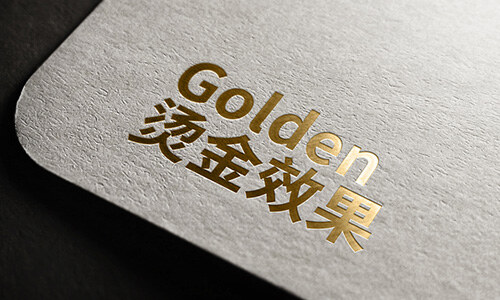
Hot Foil Stamping
Metallic foil applied by heated die, registered to the print. Gold, silver, copper and coloured foils. Applied flat before any wrapping or forming, so registration is controlled on a sheet rather than on a curve.
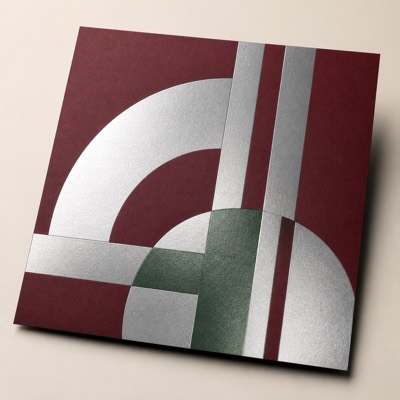
Cold Foil
Foil applied in-line during printing rather than by heated die. Faster and cheaper over large areas, and it can be overprinted to create metallic colours. Less crisp on fine detail than hot foil.
Read hot foil vs cold foil compared
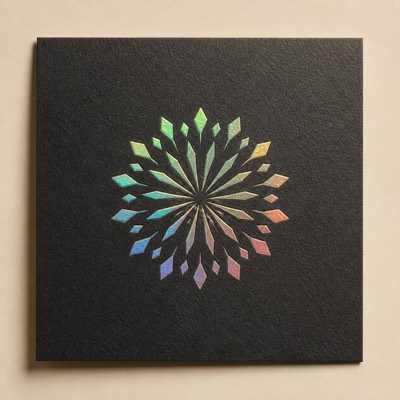
Holographic Foil
Diffractive foil stamped to a fixed position in the artwork. Positioned rather than random, which is what separates a security feature from decoration.
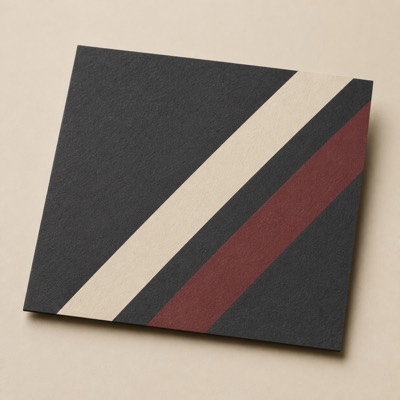
Pigment & Matt Foil
Solid non-metallic foils in flat colours. White, black and brand colours in foil. The way to get a dense, perfectly even solid on a textured stock that ink would sink into.

Foil Over Emboss
Foil stamped and then embossed in register. A sculpted metallic mark. The two passes have to be in that order — embossing first crushes the surface the foil needs.
Relief & impression
Effects you feel before you see — pressed into the sheet rather than laid on top of it.

Embossing
Raised relief pressed into the surface from behind. Can be registered over foil for a sculpted metallic mark. Sequence matters: emboss after foil is standard, and reversing it damages the foil surface.
Read embossing vs debossing compared
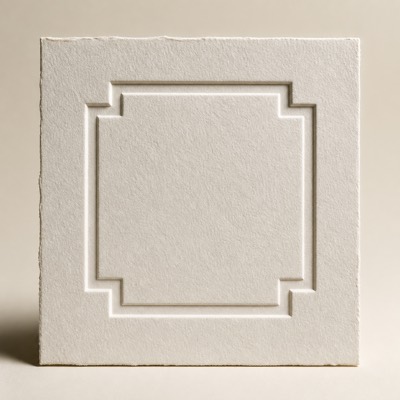
Debossing
Recessed relief pressed into the surface. Often stronger than embossing on textured or uncoated stock, where the recess catches a shadow instead of relying on a highlight.
Read embossing vs debossing compared
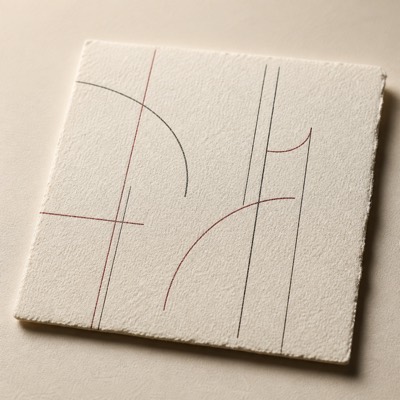
Letterpress
Inked type pressed hard into a soft, thick stock. Needs cotton or another soft sheet to bite into. On coated board there is nothing to compress and the effect disappears.

Blind Emboss
Relief with no ink or foil at all. The most restrained mark available, and the cheapest of the relief effects because there is no second material.
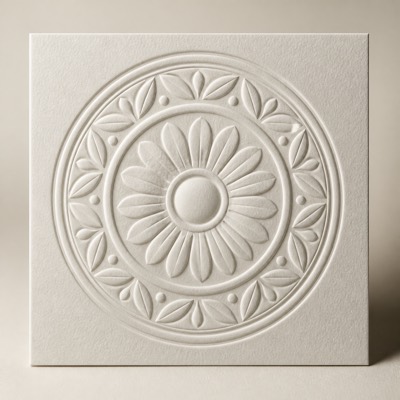
Multi-Level Emboss
Sculpted relief at more than one depth. For crests, monograms and vintage marks where a single flat level would read as a stamp rather than a sculpture.
Coatings & lamination
The surface everything else contrasts against. Decide this before the effects.
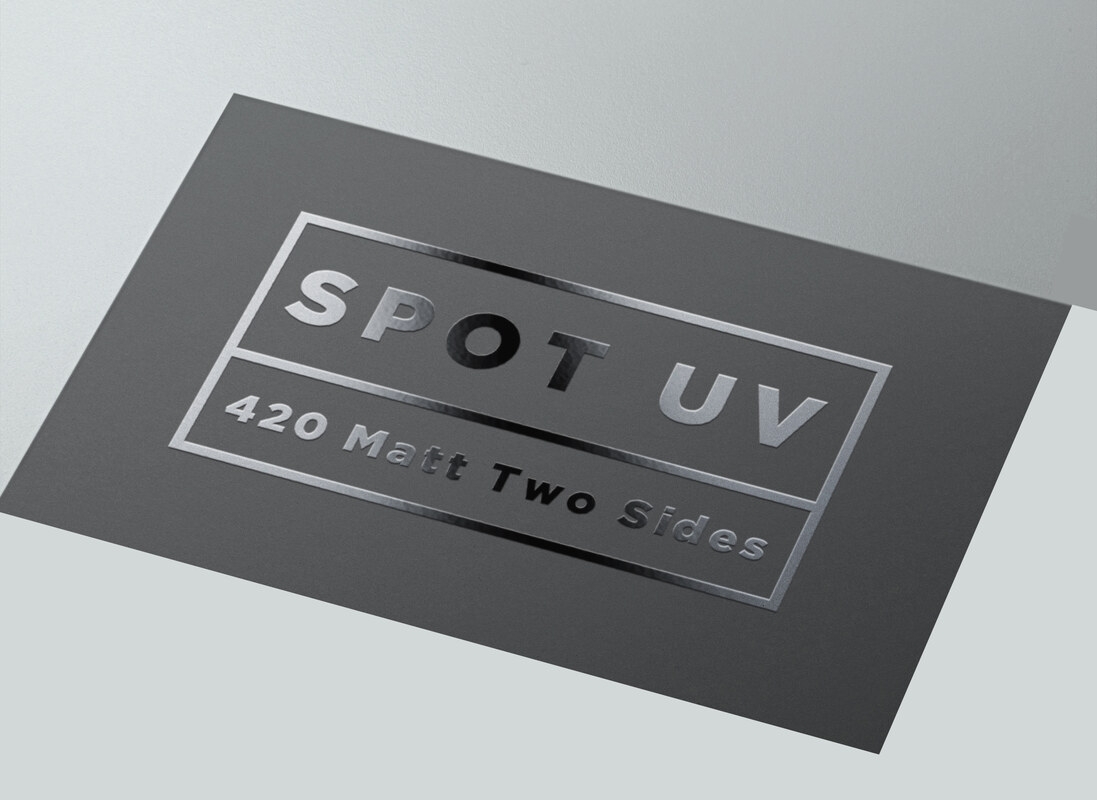
Spot UV
Gloss varnish applied to selected artwork elements. Highest contrast over a matte or soft-touch base. On a gloss laminate it barely reads — the base finish decides whether spot UV is worth paying for.
Read the spot UV printing guide
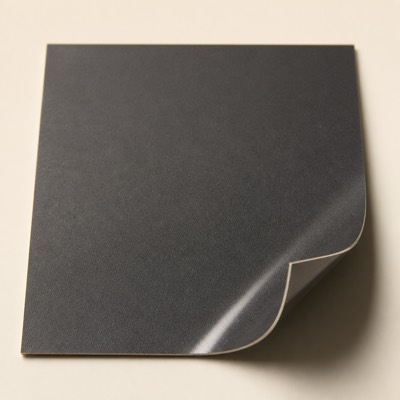
Soft-Touch Lamination
A velvet matte film laminated to the printed surface. Changes how the pack feels more than how it looks, and hides fingerprints on dark artwork. The most requested finish on premium spirits and skincare.
Read the soft-touch specification guide
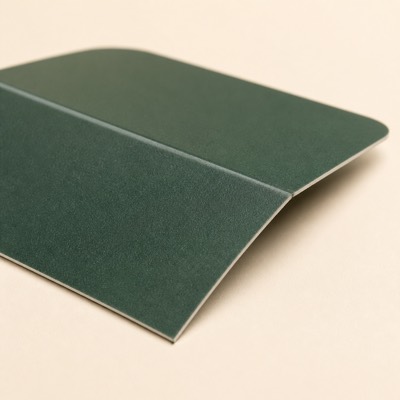
Matte Lamination
A non-reflective film that protects and softens the surface. Reduces surface glare and protects printed colour. Compatibility with any additional print effect depends on the selected film and ink system.
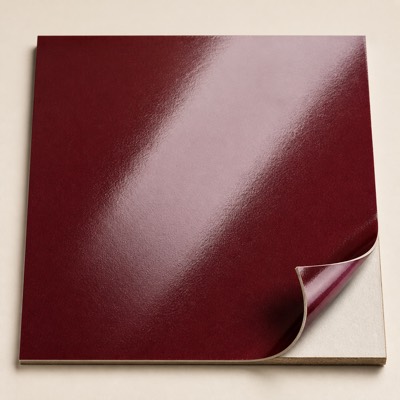
Gloss Lamination
A high-shine film that lifts colour saturation. Makes colour photography and bright brand colours read stronger on shelf, and resists moisture better than an uncoated surface.
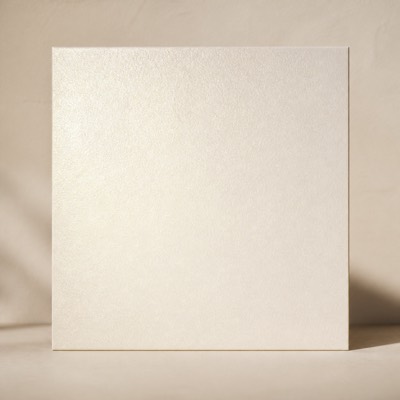
Pearlescent Coating
A shimmering coating that shifts with the light. A subtler alternative to metallic board or foil when you want light response across a whole panel rather than on one mark.
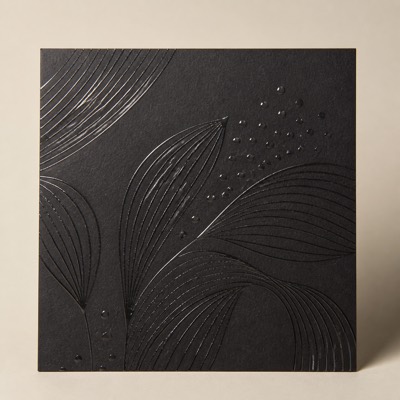
Raised / Textured Varnish
A varnish laid thickly enough to feel. Gives a tactile edge to type or a pattern without a die. The usual substitute where emboss tooling is not justified by the run.
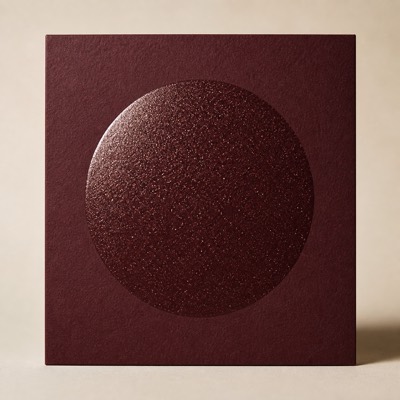
Glitter Varnish
A varnish carrying suspended glitter particles. Used in festival and confectionery work. Specify the particle size — coarse reads as celebratory, fine reads as expensive.
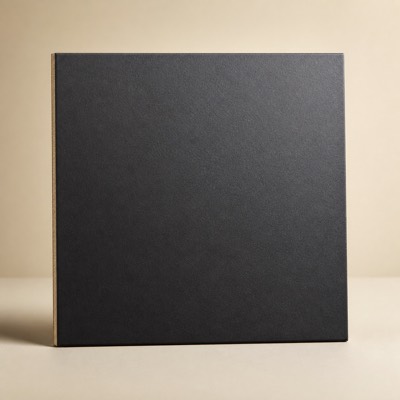
Anti-Scuff Lamination
A matte film formulated to resist marking. Ordinary matte film scuffs on dark artwork in transit. This is what you specify when the pack is dark and ships a long way.
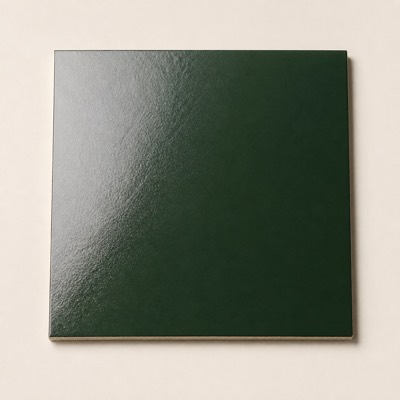
Full-Surface UV
Gloss UV across the whole sheet. Cheaper than lamination and more scuff-resistant than aqueous. Does not fold as reliably, so it suits flat components more than cartons.
Read aqueous vs UV coating compared
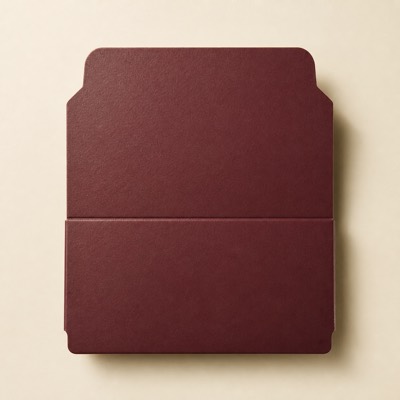
Aqueous Coating
A water-based protective coat applied in-line. The low-cost seal on cartons and shippers. Water-based, so it stays inside a recyclable mono-material specification.
Cutting & shaping
Windows, shaped outlines, perforations and the openings a structure needs.
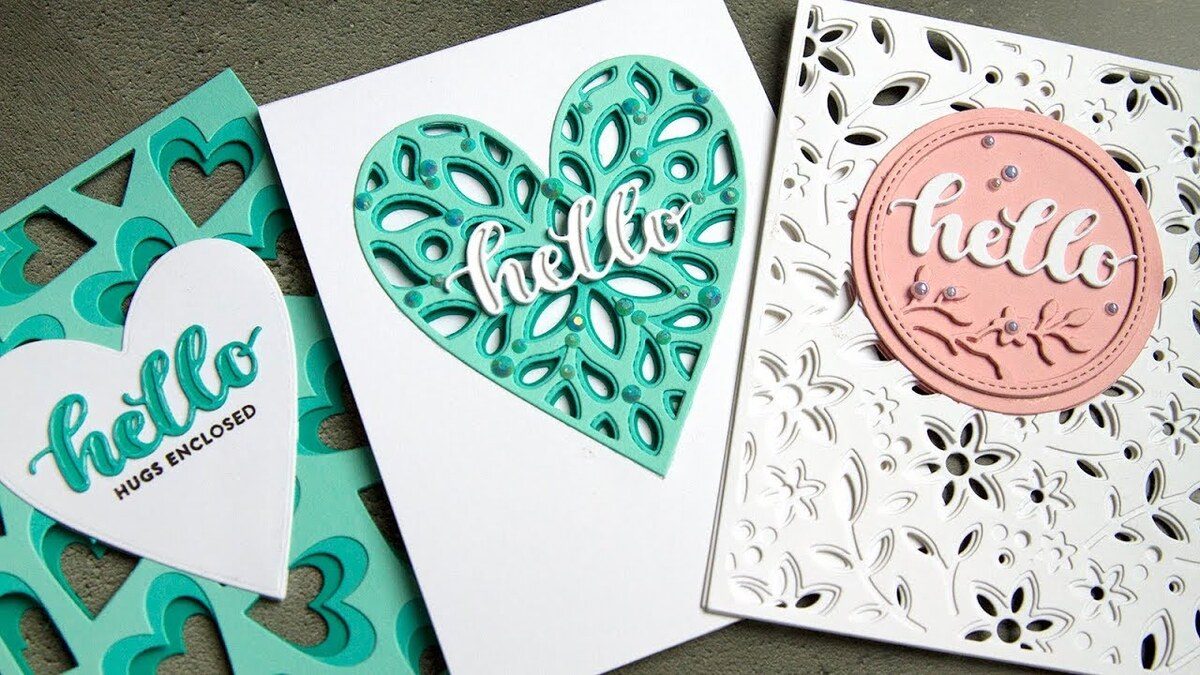
Die Cutting
Custom shapes, windows and cut-outs. Windows, shaped lids, handle apertures and label outlines. A window can be left open or patched with clear film depending on whether the product needs protecting.
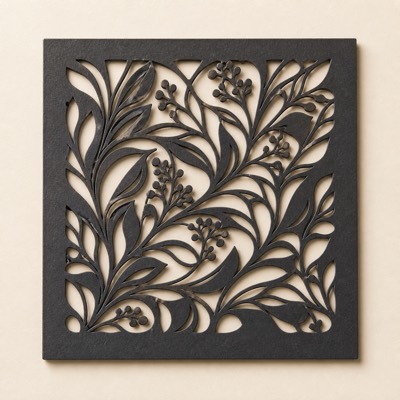
Laser Cutting
Cutting by beam rather than by steel rule. Reaches detail a die cannot — lace edges, fine filigree, very small internal shapes. Slower per sheet, so it suits short runs.
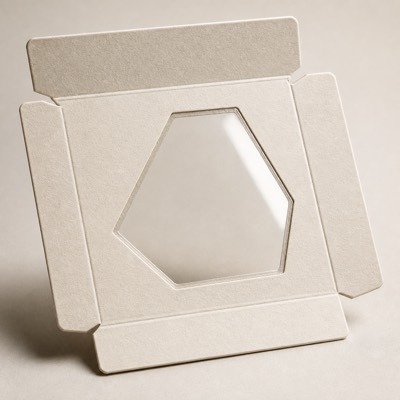
Window Patching
A clear film patched behind a die-cut aperture. Lets the product sell itself while staying protected. Adds a material to the pack, which matters if recyclability is a requirement.
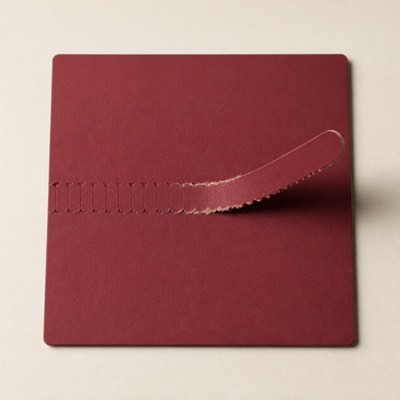
Perforation & Tear Strips
A cut line that opens cleanly by hand. Tear strips, shelf-ready fronts and easy-open cartons. Perf strength is set on the sample, not on the drawing.
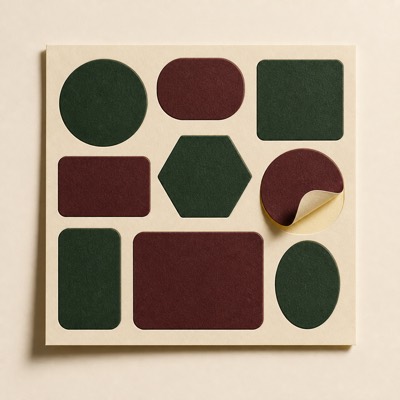
Kiss Cutting
Cutting the face stock but not the liner beneath. How sheets of labels and sticker sets are made. Depth has to be exact — too deep cuts the liner, too shallow will not peel.
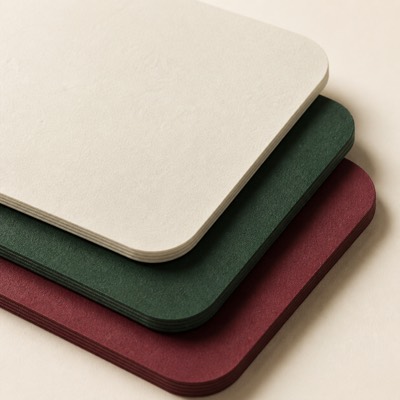
Rounded Corners
Corners cut to a radius instead of a point. On labels it stops edges lifting; on cards it stops corners dog-earing in a pocket. A small change with a measurable effect.
Edges & special effects
The details noticed at arm's length — edges, seals and dimensional effects.
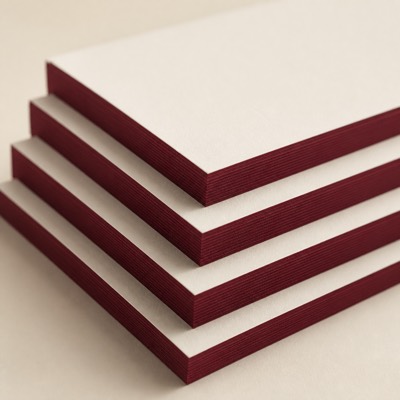
Edge Painting
Colour applied to the cut edge of a thick card. Only works on stock thick enough to show an edge — usually duplexed. Visible from every angle the piece is held at.
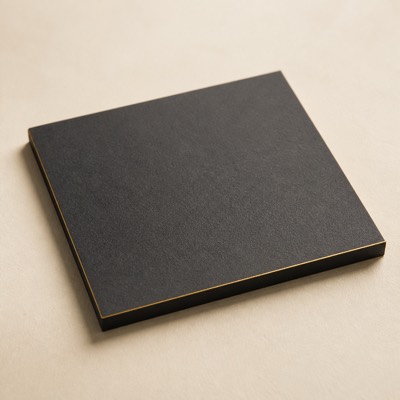
Edge Foiling
Foil applied to the cut edge rather than the face. A metallic line around the perimeter of a card. Reads as expensive precisely because it is only visible when handled.
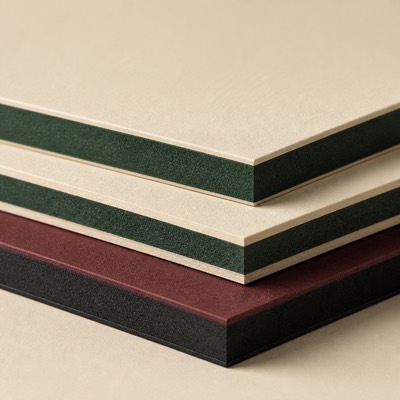
Duplex & Triplex
Two or three sheets bonded into one thicker card. Gives a different colour or texture on each face, and the thickness that edge painting needs to show.

Wax Seal
A stamped wax seal, real or moulded. Slow to apply by hand, which is the point on a limited edition. Moulded adhesive versions survive transit better than poured wax.
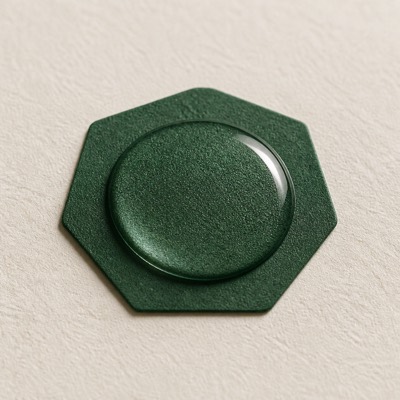
Dome (3D Resin)
A clear resin dome poured over a printed label. Magnifies whatever is under it and shrugs off abrasion. Used on warranty badges and equipment labels rather than on shelf packaging.
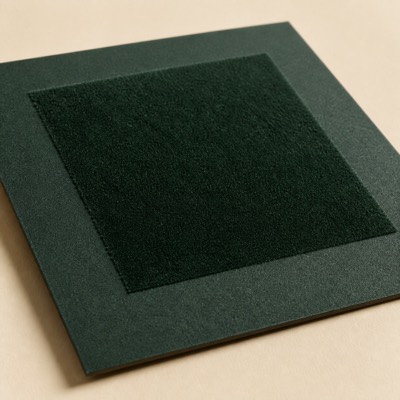
Flocking
Fine fibres bonded electrostatically to the surface. A velvet surface, usually inside a rigid box or on a lid panel. The most tactile finish available, and the hardest to keep clean.
How to choose
Two principles decide most finishing briefs. The first is contrast: an effect only reads against its background. Spot UV on a gloss laminate is nearly invisible, while the same varnish on a matte or soft-touch base is dramatic. Foil on a busy printed panel competes; foil on black board sings.
The second is sequence. Finishing is applied in a fixed order — lamination, then foil, then emboss — because each process affects the surface the next one needs. Emboss after foil is standard; reversing it damages the foil face. When effects are stacked, the order is part of the specification, not a production detail.
All of these are applied before a box is wrapped or a tube is formed, so registration is controlled on a flat sheet rather than on a curve. Everything below happens in our Huai'an plant rather than at a subcontractor, which is what keeps foil-over-emboss registration inside the tolerance the design assumes.
Which finish to choose first
The base lamination, because everything else contrasts against it. Matte or soft-touch as a base gives foil and spot UV somewhere to stand out; gloss as a base makes both harder to see. Decide the surface before deciding the effects.
How much foil is too much
Foil reads as precious in proportion to how little of it there is. A small registered mark on a dark or textured ground almost always outperforms a large foiled area, and costs less. Full-coverage metallic is usually better achieved with metallised board.
Emboss or deboss
Emboss lifts a mark toward the light and works well on coated stock; deboss recesses it and catches a shadow, which usually reads stronger on uncoated and textured board. On textured stock a blind deboss often needs no ink or foil at all.
What to sample
Finishing decisions cannot be judged on screen or on a flat proof. We produce a presentation-quality sample in 5–7 working days with the finishing applied as specified, and the sample cost is credited against the first approved production order.