Custom Wine & Spirits Labels Manufacturer
Bottle labels for wine, whisky, baijiu and premium spirits — specified for the shelf, the chiller and the ice bucket, not just the artwork proof.
At a glance
- Minimum order quantity
- Standard labels from 1,000 units; the digital line supports very short runs for launches and limited editions
- Sampling
- Presentation-quality sample in 5–7 working days. The sample cost is credited against your first approved production order.
- Production lead time
- 15–20 working days after artwork approval
- Delivery to Europe
- DDP or DAP to the EU and the UK, DDP to Switzerland; your customs broker confirms duty and VAT rates
- Production
- Made to order (OEM/ODM)
- Country of origin
- Huai'an, Jiangsu, China
- Wet-Strength Stocks
- Textured Papers
- Foil Stamping
- Multi-Level Emboss
- Holographic Positioning
- Serialised Codes
Overview
Wine and spirits labels fail in ways other labels do not. A bottle goes into a chiller, sweats, sits in an ice bucket for an hour, gets handled with wet hands and is then judged at arm's length on a back bar. The label has to come through all of that with its edges down and its foil intact — which makes face stock and adhesive selection at least as important as the design.
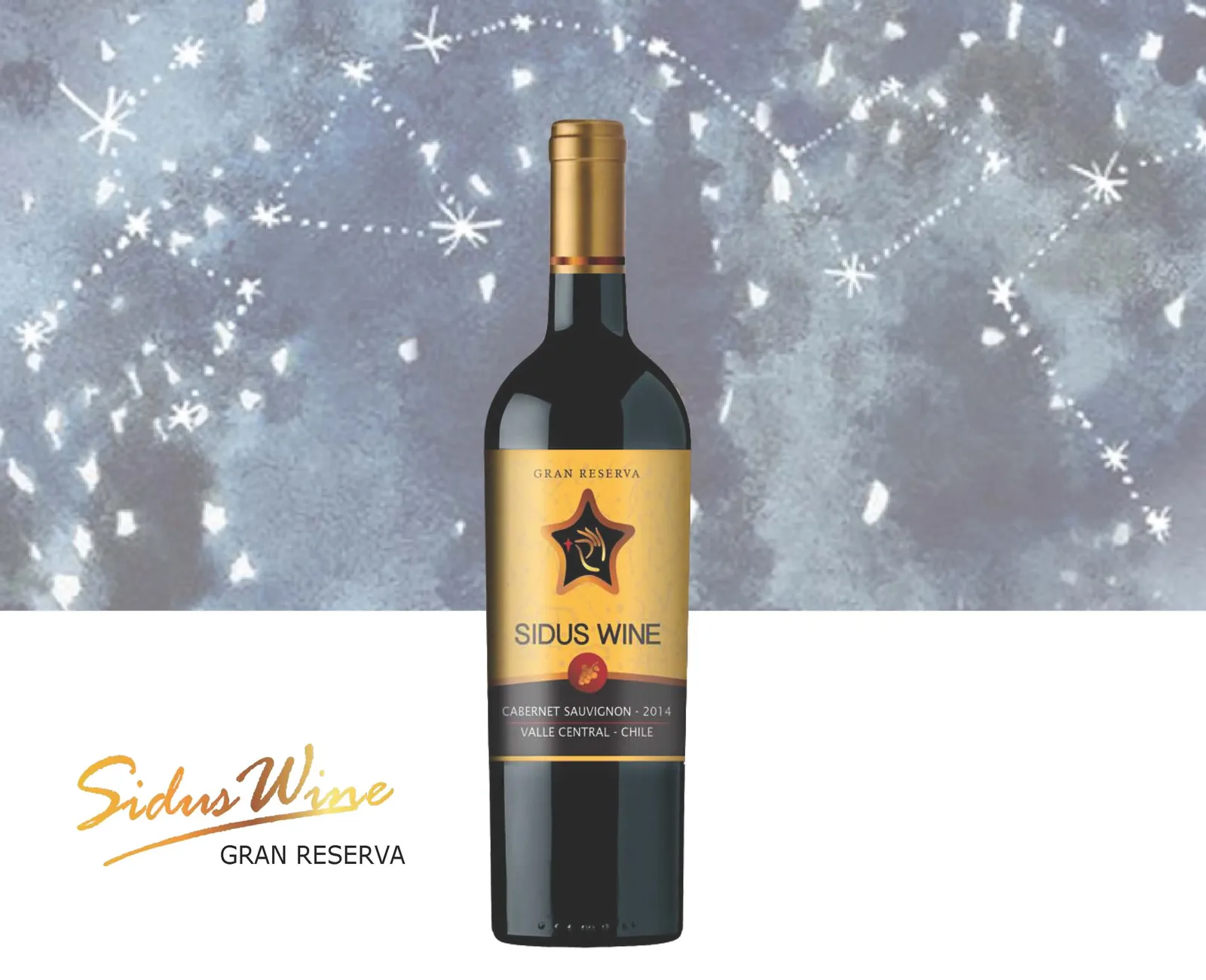
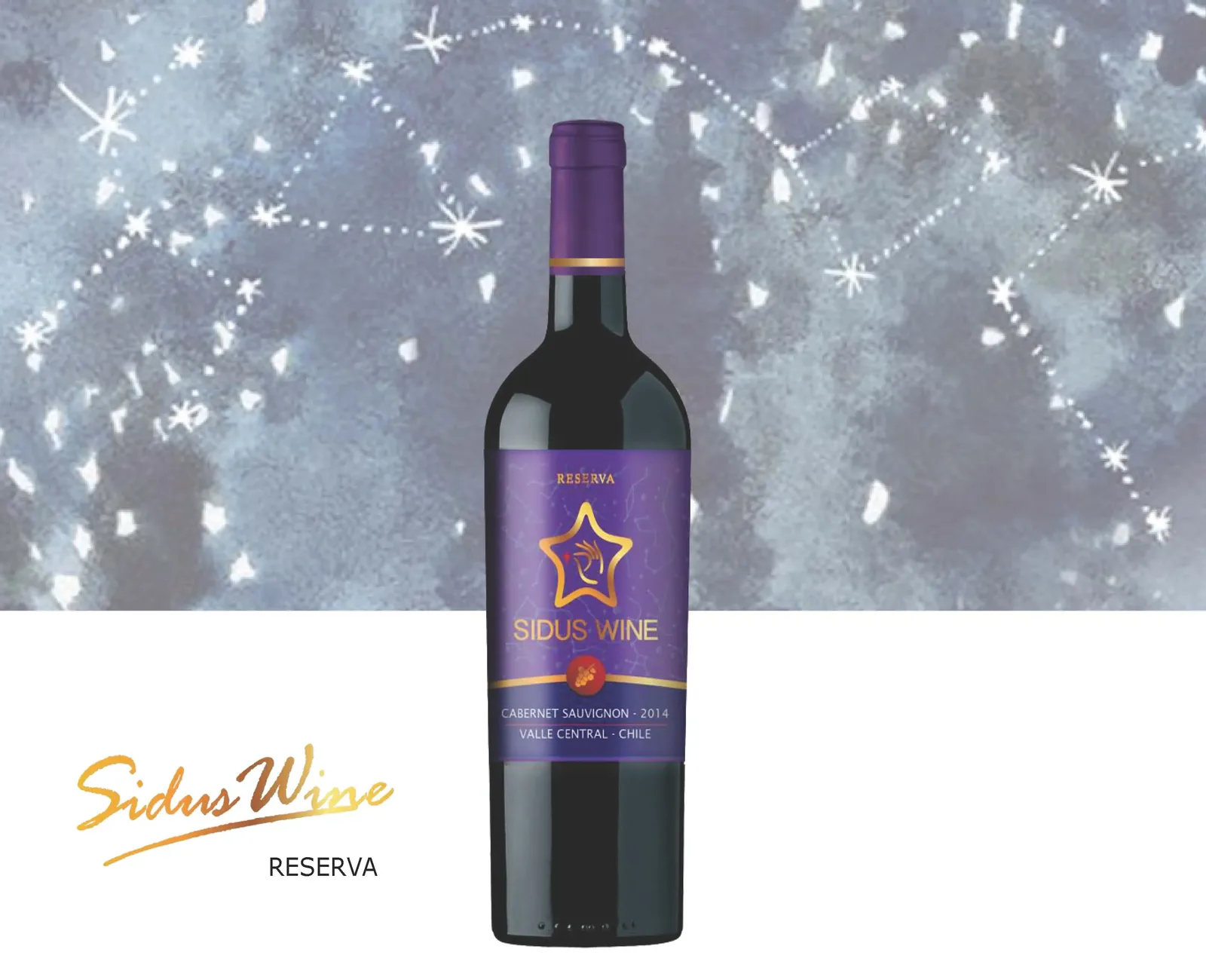
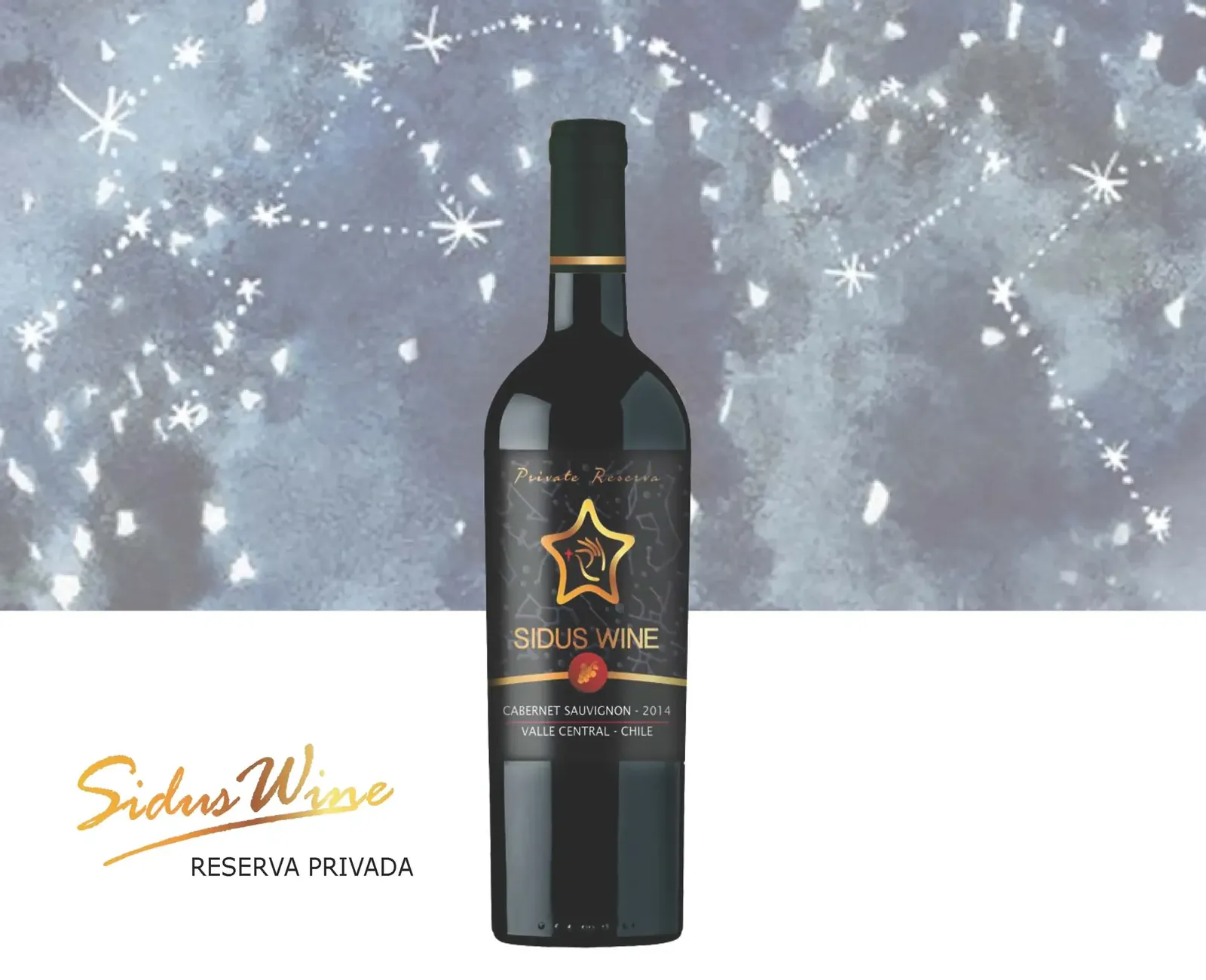
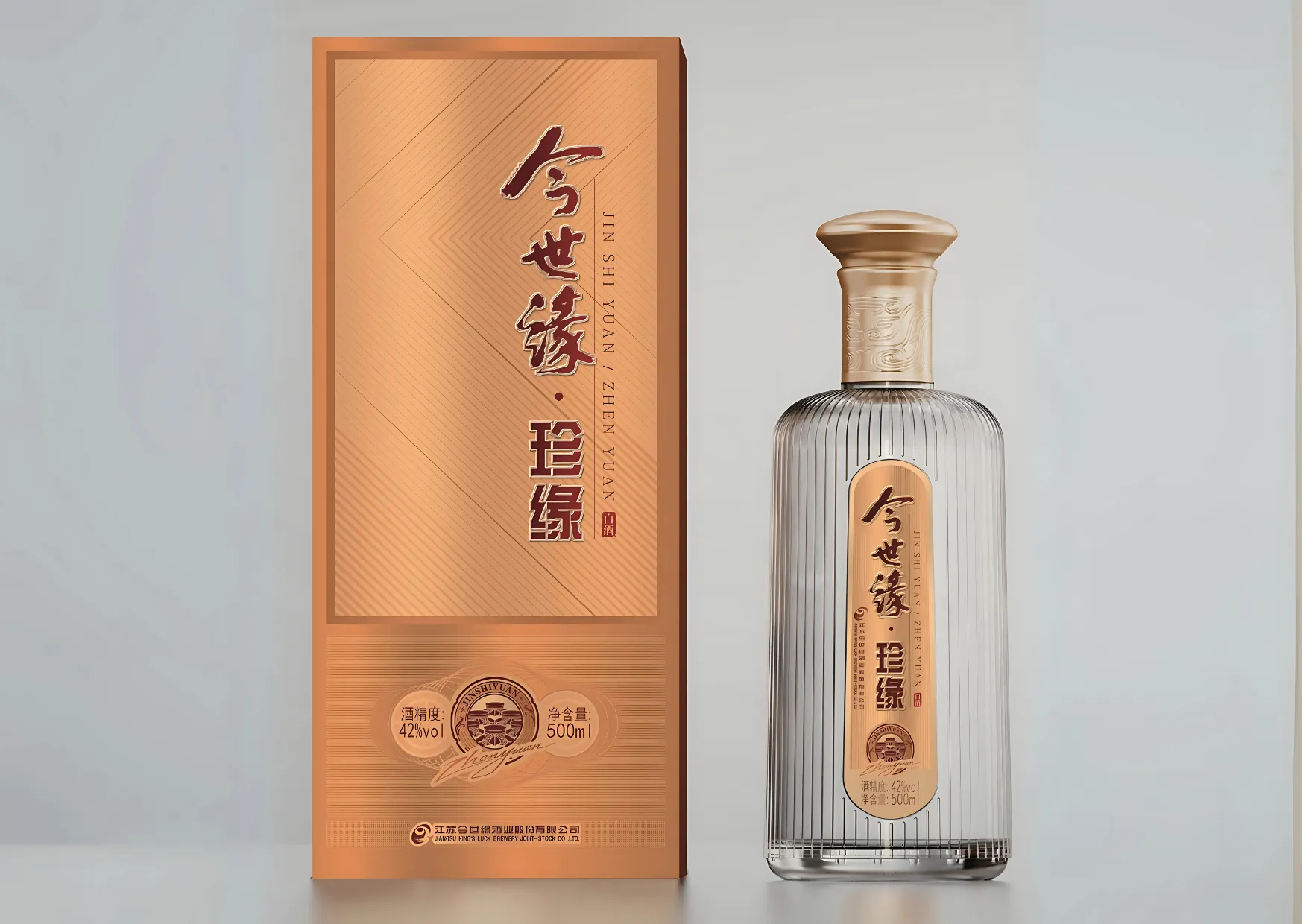
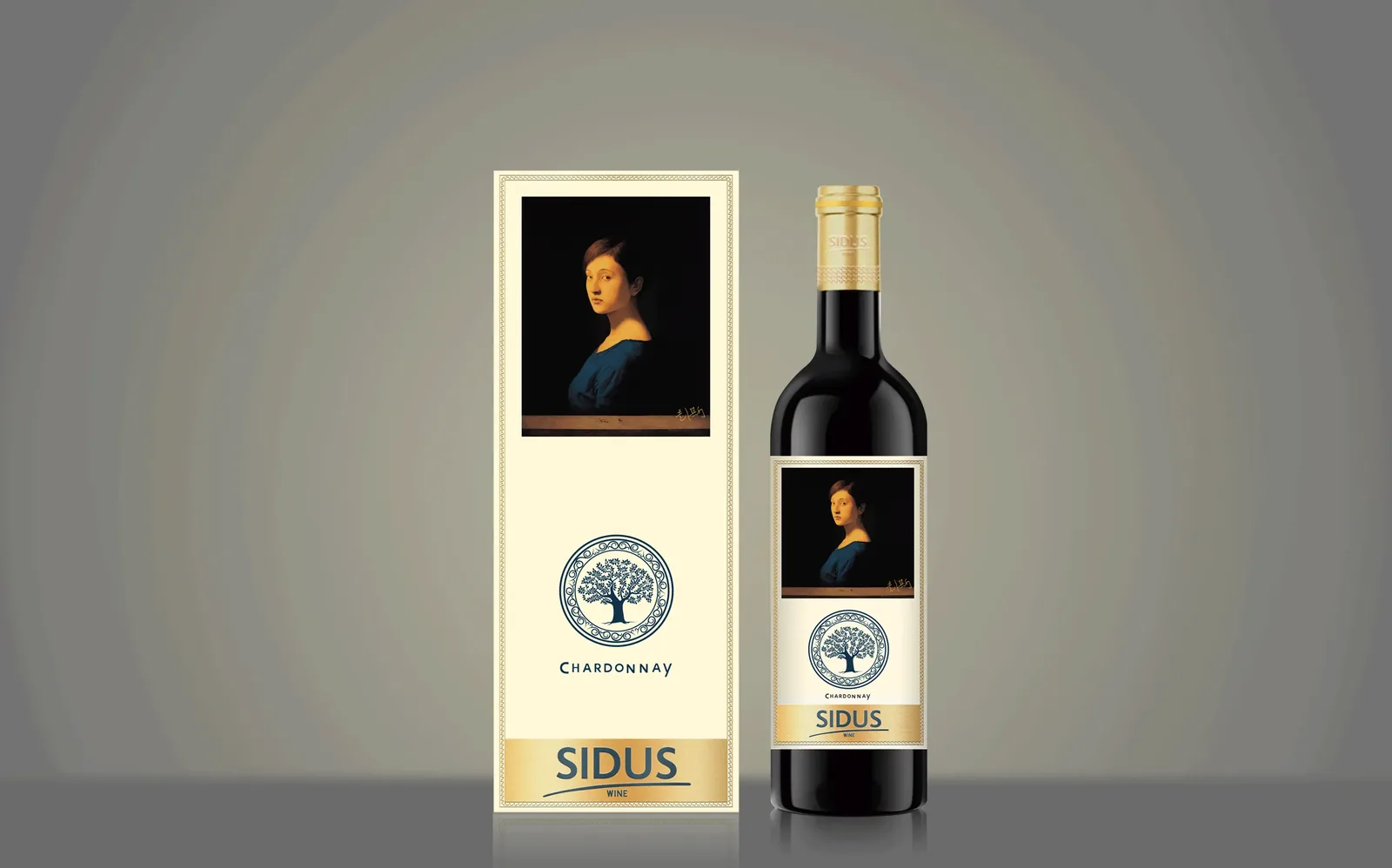
Yuan Packaging prints bottle labels on a dedicated label line for Chinese baijiu houses and for export wine and spirits brands. Our work for Jinshiyuan uses PET silver with registered embossing; our wine label programmes for Sidus combine hot foil, spot UV and soft-touch lamination. Both are printed, foiled and embossed under one roof, so registration is controlled rather than negotiated between suppliers.
Send the bottle, or accurate geometry for it, at the enquiry stage. Curvature, shoulder radius, glass surface and the temperature the pack will be filled and stored at drive the recommendation — and a sample applied to your own bottle answers questions that a flat printed proof cannot.
Materials
Wet-Strength Paper
Paper stock treated to keep its fibre strength when saturated — the standard answer to chilled service and ice-bucket immersion.
Textured & Felt-Marked Papers
Cotton-look, laid and felt-marked stocks that read as traditional wine papers and take a deep emboss well.
Metallised & PET Silver
A metallic ground across the whole label without a separate foil pass — used on our Jinshiyuan Zhenyuan spirit labels.
Clear & White Films
Film face stocks where moisture resistance matters more than paper texture, including the no-label look.
Holographic Film
Diffractive substrate used decoratively and as a visible authentication layer on premium spirits.
Adhesive Systems
Selected against glass surface, fill temperature and service conditions — chilled, wet, ambient or export transit.
Printing & Finishes
Hot Foil Stamping
Gold, silver, copper and coloured foils registered to the printed design — the defining finish on most premium bottle labels.
Multi-Level Embossing
Sculpted relief on crests, monograms and vintage marks, including emboss registered over foil.
Debossing
Recessed detail, often on textured stock where the paper surface itself carries the effect.
Spot UV & Tactile Varnish
Gloss or raised varnish for contrast on matte or soft-touch grounds.
Holographic Positioning
A holographic element registered to the artwork rather than repeating randomly — decorative and hard to copy casually.
Serialisation & QR Codes
Unique digital codes printed per label for authentication, traceability and consumer engagement.
Label Formats
Front Labels
The primary brand face. Usually where the foil, emboss and specialty stock budget is concentrated.
Back Labels
Regulatory and origin copy, batch data and barcodes — printed on the same substrate family so the pair ages consistently.
Neck & Shoulder Labels
Small-format labels on the tightest curvature on the bottle, where die accuracy and adhesive choice decide whether the edges stay down.
Bottle Seals & Tamper Bands
Capsule and closure seals, printed or holographic, that show visible evidence if the bottle has been opened.
Clear Film "No-Label" Labels
Clear film with white ink underprint for brands that want the artwork to appear printed directly onto the glass.
Gift Set & Carton Labels
Matching labels for the presentation box, sleeve or shipper, so the whole pack reads as one specification.
What you can customise
- Die shape developed against your bottle's curvature and shoulder
- Face stock — wet-strength, textured, metallised or film
- Adhesive matched to glass, fill temperature and service conditions
- Foil colour, emboss depth and the order the two are applied in
- Front, back, neck and seal as a matched specification
- Authentication level — holographic, serialised or NFC
- Roll winding and labels per roll for your applicator
Specifications
| Minimum order quantity | Standard labels from 1,000 units; the digital line supports very short runs for launches and limited editions |
|---|---|
| Production lead time | 15–20 working days after artwork approval |
| Print processes | Offset, Manroland 6+1 intermittent letterpress with in-line emboss and foil, and digital for variable data |
| Authentication options | Holographic positioning, security foil, serialised QR codes and NFC-enabled smart labels |
| Delivery format | Rolls wound to your applicator specification, or sheets |
Terms for this specification
- Sampling
- Presentation-quality sample in 5–7 working days. The sample cost is credited against your first approved production order.
- Colour matching
- Pantone references and physical samples are used where the selected print process supports them. The approval method follows the substrate, artwork and process.
- Certifications
- ISO 9001, ISO 14001:2015, ISO 45001 and China Environmental Labelling (Ten-Ring). ISO 22000 applies to eligible food-contact work.
- Sustainable options
- FSC-certified or recycled-content paper and board, water-based inks and adhesives, and fibre-based fitments are available where the selected construction supports them.
Across the Custom Labels range
This page covers what is particular to this product. The full lists for the whole range are set out once, on the Custom Labels page:
Applications
Wine
Still, sparkling and dessert wine labels on textured and wet-strength stocks, including vintage-dated annual reprints.
Whisky, Cognac & Rum
Dark-spirit labels where foil, emboss and heavy stock carry the age statement and the price position.
Gin & Vodka
Clear-glass presentations, often clear film or metallised, and often chilled or frozen in service.
Baijiu & Chinese Spirits
PET silver, registered embossing and anti-counterfeiting features — the specification behind our Jinshiyuan and Guoyuan work.
Liqueurs & RTD
Smaller formats and high-volume runs where consistency across repeat orders is the main requirement.
Design & artwork
From an artwork check, through a dimensioned dieline and print-ready files, to a full concept package across a range — done by the factory that will make it.
How it is made
Bottle & service review
Bottle geometry, glass surface, fill temperature and whether the pack will be chilled or iced determine the substrate shortlist.
Substrate & adhesive recommendation
We propose a face stock and adhesive combination against those conditions, with alternatives at different cost points.
Artwork & separations
Die outline, bleed, and separate layers for foil, emboss and varnish are confirmed before plates are made.
Sampling on your bottle
Printed and finished samples in 5–7 working days, applied to the real bottle wherever one can be supplied.
Production
Printing with foil, emboss and holographic positioning applied in the sequence that protects each effect.
Inspection, winding & export
Registration and visual inspection against the approved sample, winding to your applicator spec, then export packing.
Selected work
Why Yuan Packaging
- Printing, foil stamping, embossing and holographic positioning under one roof — registration is controlled, not coordinated between vendors
- Bottle label programmes produced for Chinese spirits houses including Jinshiyuan and Guoyuan
- Substrate and adhesive recommended against your bottle and service conditions, then proven on a sample
- Serialised codes and NFC smart-label capability for authentication programmes
Frequently asked questions
Will the label survive an ice bucket?
That is a substrate and adhesive question rather than a print question. Wet-strength papers and film face stocks with a suitable adhesive are specified for chilled and immersed service. We will recommend a combination for your bottle and conditions, and we strongly recommend testing the sample under your own service conditions before approval.
What do you need from us to quote a bottle label?
The bottle or its geometry, label dimensions, annual and per-order quantity, the finishing you want (foil, emboss, holographic), and where the product is stored and served. Those five things determine substrate, process and price.
Can you print front, back and neck labels as a set?
Yes, and we recommend specifying them together on the same substrate family and adhesive so the whole bottle ages and performs consistently. Neck labels usually need the closest attention because they sit on the tightest curvature.
Which anti-counterfeiting features can you add?
Holographic positioning registered to the artwork, security foils, serialised QR codes printed digitally, and NFC-enabled smart labels. Features are usually layered — one visible to consumers, one for trade verification.
Can you match the label to an existing gift box or carton?
Yes. We produce rigid boxes, folding cartons and carrier bags on the same site, so a label, its presentation box and the carrier can be colour-managed as one specification rather than three separate quotations.
Do you handle vintage-dated reprints each year?
Yes. Once a specification is approved, repeat runs with a changed vintage or batch are straightforward — the substrate, dies and finishing set-up are already established, which is where most of the lead time on a first order goes.
From the Journal
Related products
Request a custom packaging quote
What to send for a quote
- The product it is for, and the format you have in mind
- Size as length × width × height, and whether those are inside or outside dimensions
- Quantity, or two or three quantities if you want to compare unit prices
- Material and finish preferences, or the look you are after
- Artwork status: print-ready files, a draft, or nothing yet
- The date you need the goods by
- The destination country
Missing some of these? Send what you have, and we will ask about the rest.