Custom Paper Tube & Cylinder Box Manufacturer
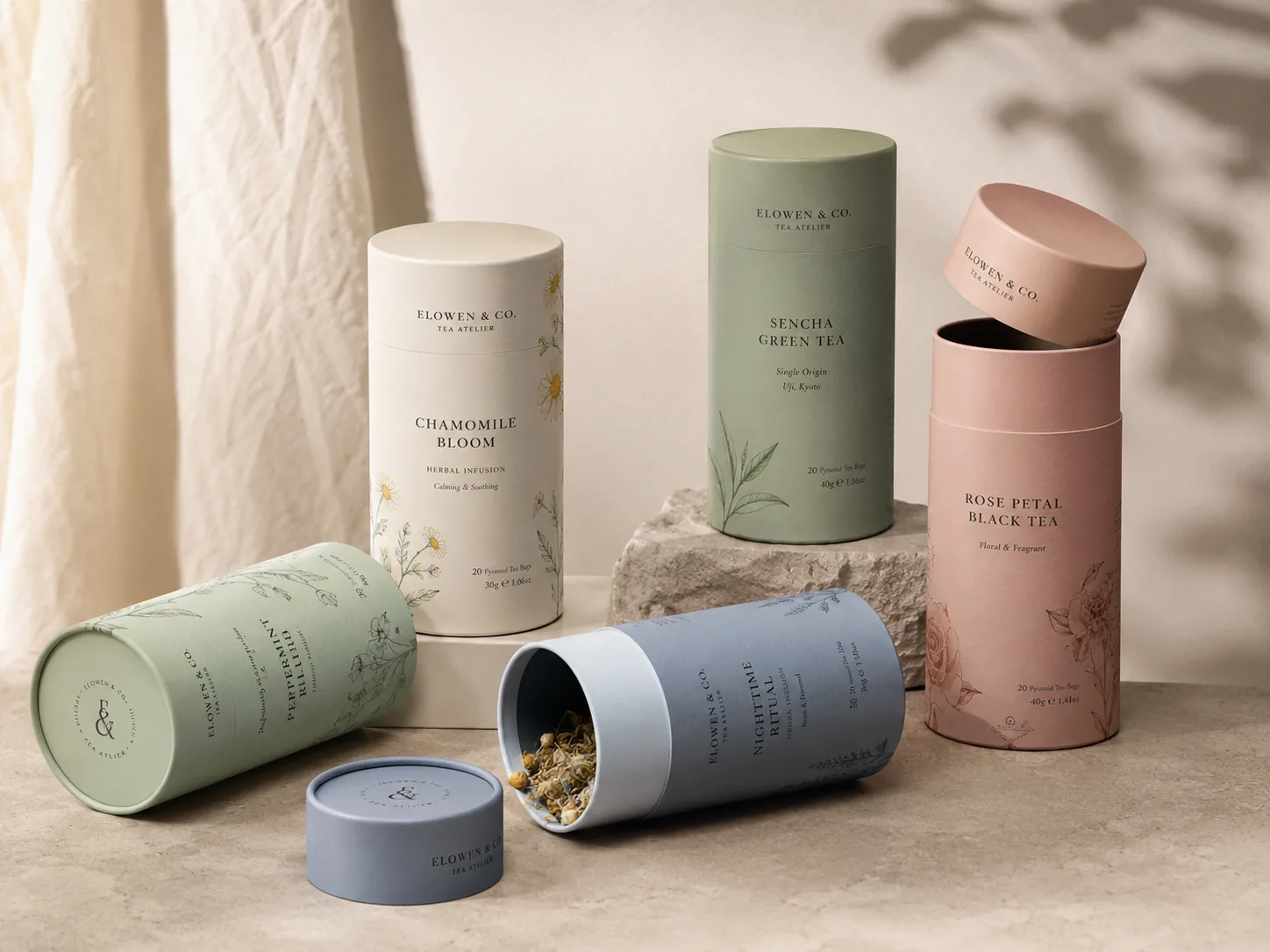
Rigid paper-based cylinder packaging, wrapped and finished alongside our gift-box range, with ends, liners and inserts specified to the product.
At a glance
- Minimum order quantity
- Confirmed per specification — tube tooling is diameter-specific, so MOQ follows the diameter and finishing chosen
- Sampling
- Presentation-quality sample in 5–7 working days. The sample cost is credited against your first approved production order.
- Production lead time
- 15–20 working days after artwork approval; complex finishing 25–30 working days
- Delivery to Europe
- DDP or DAP to the EU and the UK, DDP to Switzerland; your customs broker confirms duty and VAT rates
- Production
- Made to order (OEM/ODM)
- Country of origin
- Huai'an, Jiangsu, China
- Paper-Based
- Custom Diameter
- Foil & Emboss
- Soft-Touch Wrap
- Fitted Inserts
- Recycling Options
Overview
A paper tube can present a bottle, candle, tea caddy or cosmetic upright in a paper-dominant format. Whether the complete pack can enter a paper-recycling stream depends on its end construction, liner, insert and the collection rules where it is discarded, so those choices are part of the specification rather than assumed from the body alone.
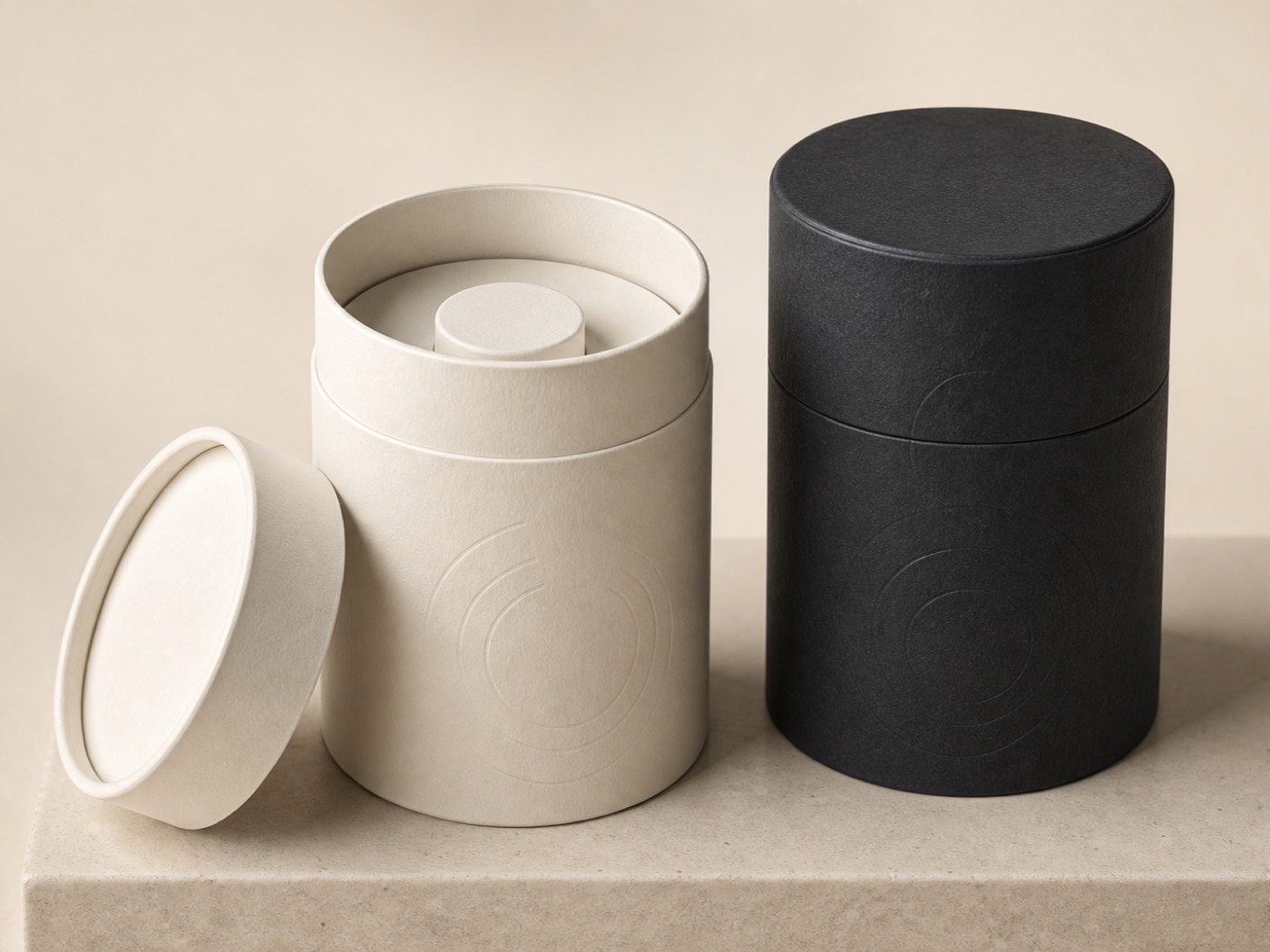
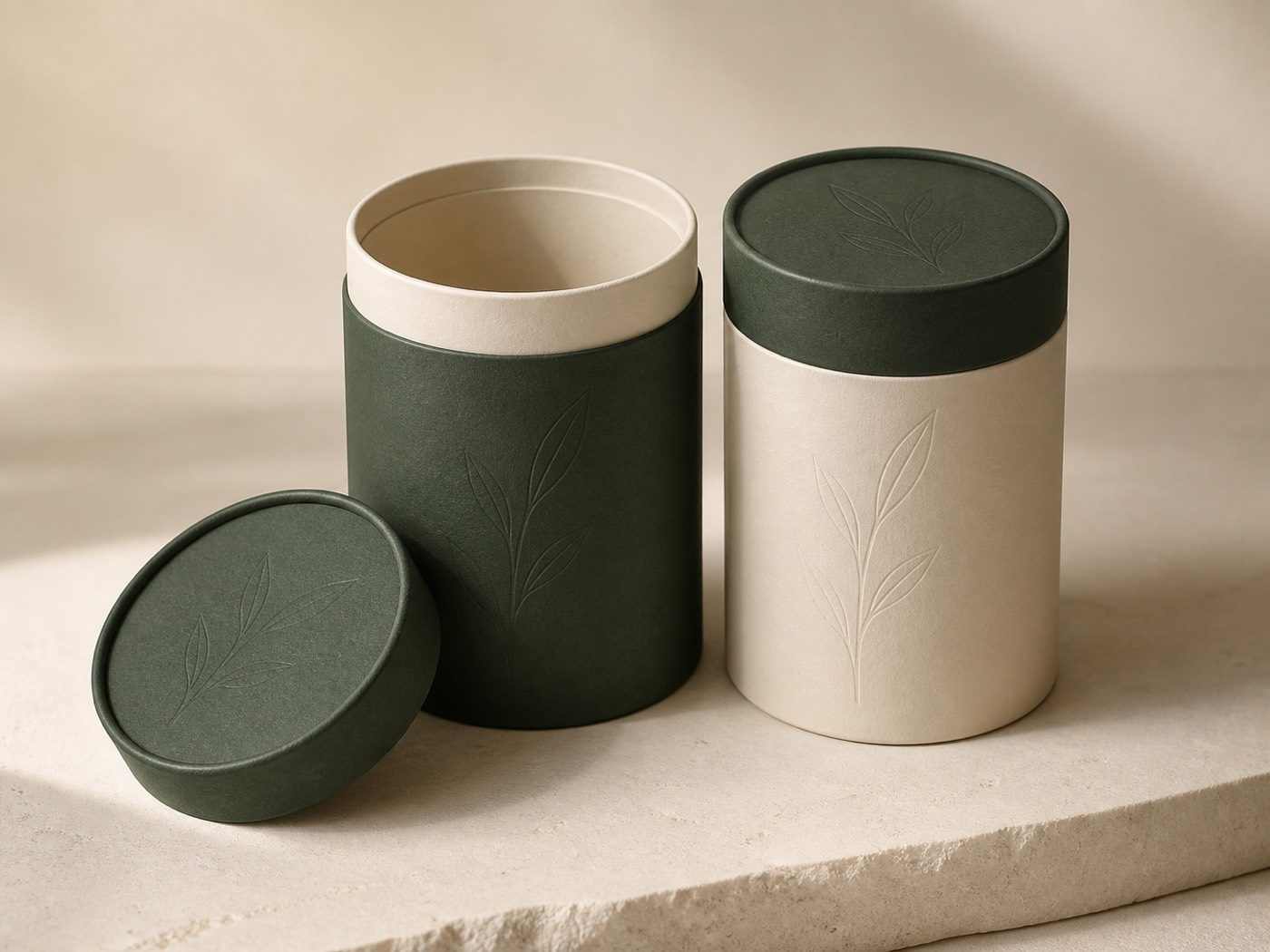
Construction is closer to a rigid box than to a carton. A spiral-wound or convolute paper body is wrapped in printed paper, so the same wrapping papers, foils, embossing and soft-touch laminates that go on our gift boxes go on a tube. Ends are set with paper, board or a friction-fit lid depending on how you want it opened.
Because Yuan Packaging is paper-based throughout, tubes sit naturally alongside the rest of a programme — a rigid gift box for the multipack, a tube for the single unit, a carrier bag to take it home, all printed to one colour standard in one factory.
Explore the range
- Lid & Base Paper Tubes — A telescoping paper tube whose lid overlap and opening feel are resolved around the product and checked on the physical sample.
- Push-Fit Cap Paper Tubes — A short friction-fit cap that keeps access direct while retaining the wrapped surface and cylindrical form of a rigid paper tube.
- Bottle Tube Packaging — A tall paper cylinder developed around one bottle, with the internal support and opening sequence resolved as part of the structure.
- Tea & Food Paper Caddies — A paper caddy for tea, coffee and confectionery gifting, specified around how the product is packed rather than assuming one universal barrier.
- Candle & Cosmetic Paper Tubes — A compact paper cylinder for jars and vessels, developed around the product fit and the way it should appear when the lid is removed.
Tube Types
Lid & Base Tube
A telescoping lid over a body — the classic tube for spirits bottles and tea, with the opening resistance tuned at sampling.
Push-Fit Cap Tube
A shorter friction-fit cap for products taken in and out repeatedly rather than opened once.
Bottle Tube
Tall narrow tubes sized to a single bottle, with an internal cradle or collar that stops the bottle moving.
Tea & Food Caddy
Wide-diameter tubes for loose tea, coffee and confectionery, with a liner where a barrier is needed.
Candle & Cosmetic Tube
Short tubes for candles, jars and gift-with-purchase sets, usually with heavier surface finishing.
Multi-Unit Tube
Larger-diameter tubes holding a set, divided internally so the pieces present in order when the lid lifts.
Selected work
Board & material options
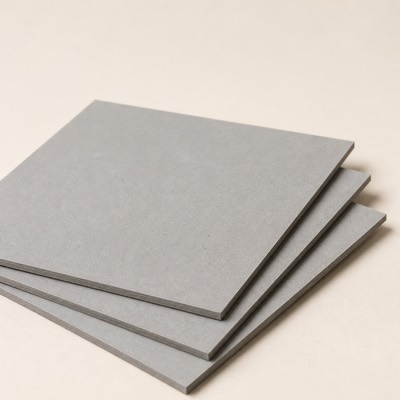
Greyboard
The dense structural core of a rigid box.
Not printed — it is wrapped. Thickness is specified against the weight the box carries and the opening feel you want.
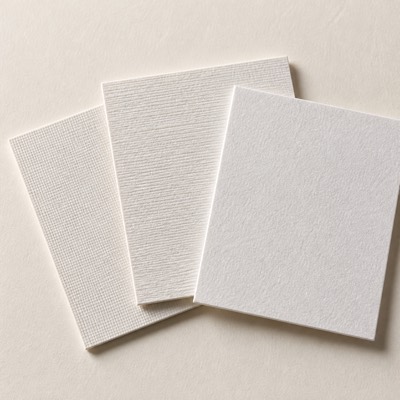
Textured & Felt-Marked
Embossed linen, laid and felt surfaces.
Carries a tactile identity with no extra finishing pass. Print sits softer on texture — fine detail and photographic images lose bite, so it suits type and blind emboss better than imagery.
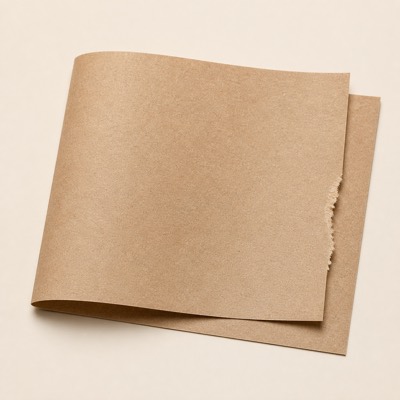
Natural Brown Kraft
Unbleached brown fibre, the recycled-content standard.
The lowest-processing option we stock. Remember that the brown ground shifts every ink laid over it — colours need proofing on the actual stock, not on white.
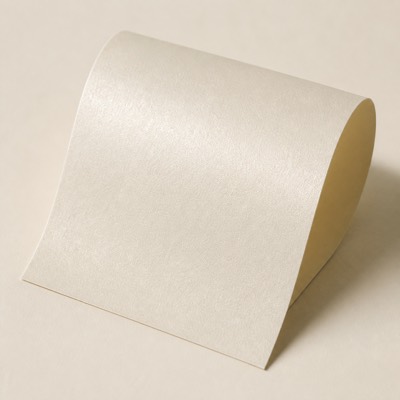
Pearl / Iridescent
A shimmer worked into the sheet itself.
Subtler than metallised board, and it still takes ink normally — so photography survives on it where it would not on foil paper.
Finishing options
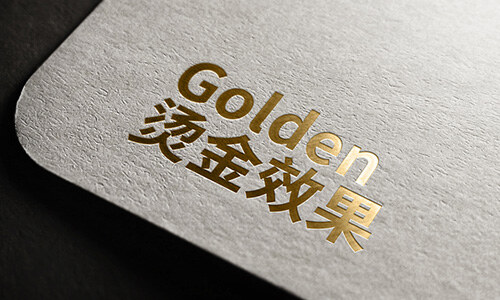
Hot Foil Stamping
Metallic foil applied by heated die, registered to the print.
Gold, silver, copper and coloured foils. Applied flat before any wrapping or forming, so registration is controlled on a sheet rather than on a curve.

Embossing
Raised relief pressed into the surface from behind.
Can be registered over foil for a sculpted metallic mark. Sequence matters: emboss after foil is standard, and reversing it damages the foil surface.
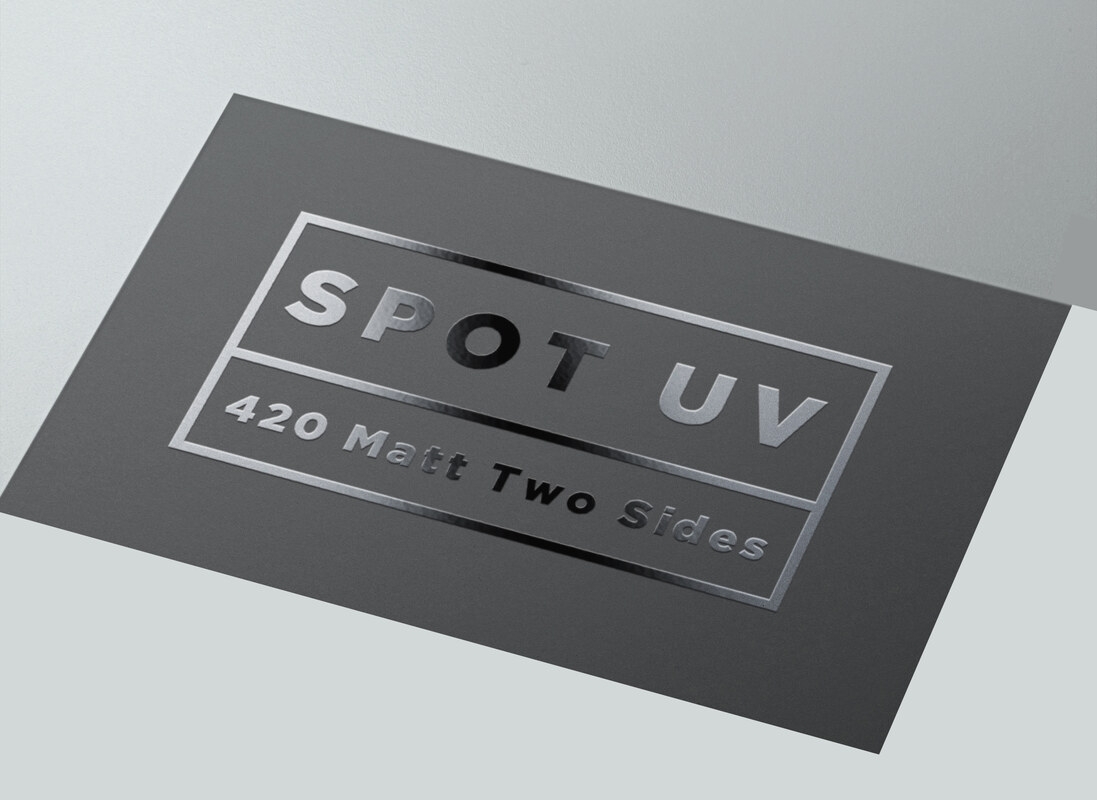
Spot UV
Gloss varnish applied to selected artwork elements.
Highest contrast over a matte or soft-touch base. On a gloss laminate it barely reads — the base finish decides whether spot UV is worth paying for.
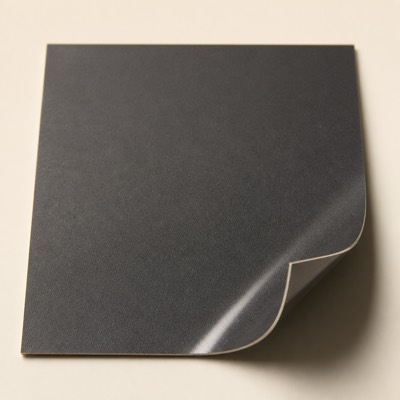
Soft-Touch Lamination
A velvet matte film laminated to the printed surface.
Changes how the pack feels more than how it looks, and hides fingerprints on dark artwork. The most requested finish on premium spirits and skincare.
Materials
Wound Paper Body
The structural wall, wall thickness specified against the weight it carries and how much protection the product needs.
Printed Art Paper Wrap
Coated wrapping stocks shared with the rigid-box range, so a tube and box can be coordinated and then confirmed together on physical samples.
Specialty & Textured Papers
Felt-marked, laid and embossed stocks where the surface should feel considered before it is opened.
Kraft & Recycled Board
Uncoated and recycled-content options with water-based inks for paper-based specifications where the selected ends and liners also suit the brief.
Paper & Board Ends
Paper-based ends reduce mixed-material components; specify them only where the product does not require a separate barrier closure.
Inserts & Cradles
Card collars, wound spacers and fitted cradles locate a bottle or jar. Fit and movement are checked on a loaded sample; transport protection remains a separate performance brief.
Printing & Finishes
Hot Foil Stamping
Applied to the wrap before it is mounted, so registration on a curved surface is controlled on a flat sheet.
Embossing & Debossing
Relief on the wrap or the lid face, including emboss registered over foil.
Soft-Touch & Matte Lamination
A velvet surface that reads as premium in the hand — the most requested tube finish for spirits and candles.
Spot UV
Gloss detail against a matte body, most effective on the lid face and around the seam line.
Seam Alignment
Where the wrap meets is a design decision, not an accident — the seam is placed deliberately against the artwork.
What drives the cost
Tooling dominates the first order here, because tube tooling is diameter-specific. Once a diameter is established, repeat runs are materially cheaper — which is an argument for standardising on one or two diameters across a range rather than sizing each SKU exactly.
Quantity
Most of the cost of a print job is set-up — plates, dies, make-ready, the first good sheet. Doubling a run rarely doubles the price, which is why it is worth asking for two or three volumes on the same quote.
Structure
A rigid box is formed, wrapped and often assembled by hand; a folding carton is die-cut and glued in one pass. Structure is usually the single biggest difference between two otherwise identical packs.
Material
Board grade and wrap stock. Specialty and textured papers cost more per sheet, but can replace a finishing pass — sometimes the cheaper route to the same effect.
Finishing passes
Each of foil, emboss, spot UV and lamination is a separate pass through a machine. Two effects cost roughly twice one, so the question is always which effect earns its place.
Tooling
Dies, emboss plates and foil blocks are one-off costs carried by the first order and reused on every repeat. Repeat runs of an approved specification are materially cheaper than the first.
Design & artwork
From an artwork check, through a dimensioned dieline and print-ready files, to a full concept package across a range — done by the factory that will make it.
What you can customise
- Diameter and height built around the product
- Wall thickness against weight and protection needed
- Opening action — telescoping lid or push-fit cap
- Wrap material, print and finishing combination
- Internal cradle, collar or divider
- End construction and whether a liner is required
- Seam position relative to the artwork
Specifications
| Minimum order quantity | Confirmed per specification — tube tooling is diameter-specific, so MOQ follows the diameter and finishing chosen |
|---|---|
| Production lead time | 15–20 working days after artwork approval; complex finishing 25–30 working days |
| Printing | Offset printing of the wrap on the Rapida 106 — CMYK and Pantone spot colours |
| Material basis | Paper-based construction; recycled-content and FSC-certified stocks available |
Terms for this specification
- Sampling
- Presentation-quality sample in 5–7 working days. The sample cost is credited against your first approved production order.
- Colour matching
- Pantone references and physical samples are used where the selected print process supports them. The approval method follows the substrate, artwork and process.
- Certifications
- ISO 9001, ISO 14001:2015, ISO 45001 and China Environmental Labelling (Ten-Ring). ISO 22000 applies to eligible food-contact work.
- Sustainable options
- FSC-certified or recycled-content paper and board, water-based inks and adhesives, and fibre-based fitments are available where the selected construction supports them.
Applications
Spirits & Wine
Single-bottle tubes as the lighter alternative to a rigid gift box, with a cradle holding the bottle central.
Tea & Gourmet Food
Caddies and gift tubes for loose tea, coffee and confectionery, including seasonal gift programmes.
Candles & Home Fragrance
Short wide tubes that present a glass vessel upright on opening; any transport-protection requirement is confirmed separately against the intended journey.
Beauty & Gift Sets
Cylinder packs for single products and gift-with-purchase sets, finished to match the carton range.
How it is made
Product & opening review
Diameter, height, weight and how the product should present when the lid comes off.
Body & end specification
Wall thickness, end construction and whether an internal cradle or liner is needed.
Wrap artwork & seam placement
Artwork is laid out flat with the seam position and wrap allowance built in.
Sampling
A made-up tube in 5–7 working days — lid resistance and seam alignment can only be judged in the hand.
Print & finish the wrap
Offset printing, then foil, emboss and lamination applied flat before mounting.
Forming, wrapping & assembly
Body forming, wrapping, end setting and insert fitting, then inspection against the approved sample.
Why Yuan Packaging
- Paper-based options are available; the final recycling route follows the specified ends, liner and insert and the local collection system
- Wrapped and finished by the same team and to the same standard as our rigid gift boxes
- Tubes, boxes, labels and bags printed to one colour standard in one factory
- Structural sampling in 5–7 working days so lid resistance and seam placement are judged in the hand
Frequently asked questions
Why choose a paper tube over a tin?
A paper tube offers a paper-dominant surface for printed wrap, foil, embossing and soft-touch finishing. Its recycling route is specification-dependent: confirm the end construction, liner and insert against the collection system where the pack will be discarded rather than treating every tube as one material.
How is a glass bottle held inside a paper tube?
The tube and an internal cradle or collar are developed around the actual bottle, then fit and movement are checked on a loaded sample. Any transport-protection requirement remains a separate performance brief tied to the intended journey and acceptance method.
What is the minimum order quantity?
Tube tooling is diameter-specific, so the minimum follows the diameter and the finishing you choose rather than a single site-wide figure. Send diameter, height and quantity and we will confirm it against your specification.
Can the tube match our existing gift box?
Yes — the wrap uses the same coated papers, foils and laminates as our rigid boxes, printed on the same press. Sample both together so the finish is matched on the curved surface as well as the flat one.
From the Journal
Related products
Request a custom packaging quote
What to send for a quote
- The product it is for, and the format you have in mind
- Size as length × width × height, and whether those are inside or outside dimensions
- Quantity, or two or three quantities if you want to compare unit prices
- Material and finish preferences, or the look you are after
- Artwork status: print-ready files, a draft, or nothing yet
- The date you need the goods by
- The destination country
Missing some of these? Send what you have, and we will ask about the rest.